FEATURED · PRIVATE TOUR
Nepal · Lumbini, Pokhara & Kathmandu
Manakamana stop on the Pokhara–Kathmandu road day.
5 days / 4 nights
₹12,999Planning estimate · Indicative per adult · 6 adults · twin sharing
View trip 
Lakeside evenings in Pokhara. Temple mornings in Kathmandu. A considered road journey from Gorakhpur, with the right number of stops for the days you have.
Choose a private escape or join the next shared departure.
Manakamana stop on the Pokhara–Kathmandu road day.
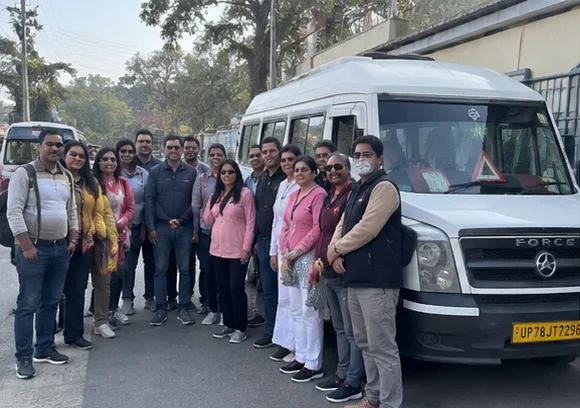
Lumbini en route · Pokhara · Manakamana · Kathmandu
Lumbini · Chitwan · Pokhara · Kathmandu
Ask the Gorakhpur travel desk about upcoming dates.
Lumbini · Chitwan · Pokhara · Kathmandu
Six days and five hotel nights from Gorakhpur: Lumbini, one night in Chitwan, then two nights each in Pokhara and Kathmandu.
Standard 2-star hotel · triple or double sharing · 5 breakfasts + 5 dinners. See the package inclusions for the exact scope.
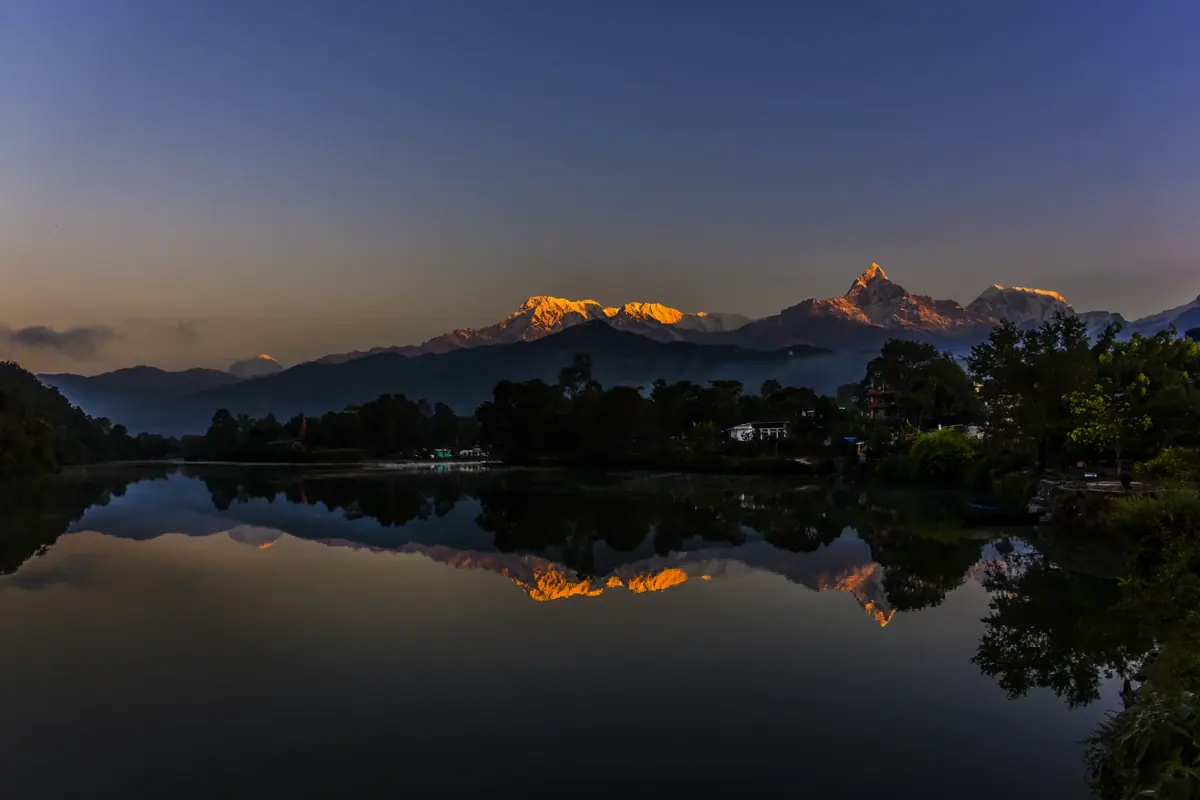
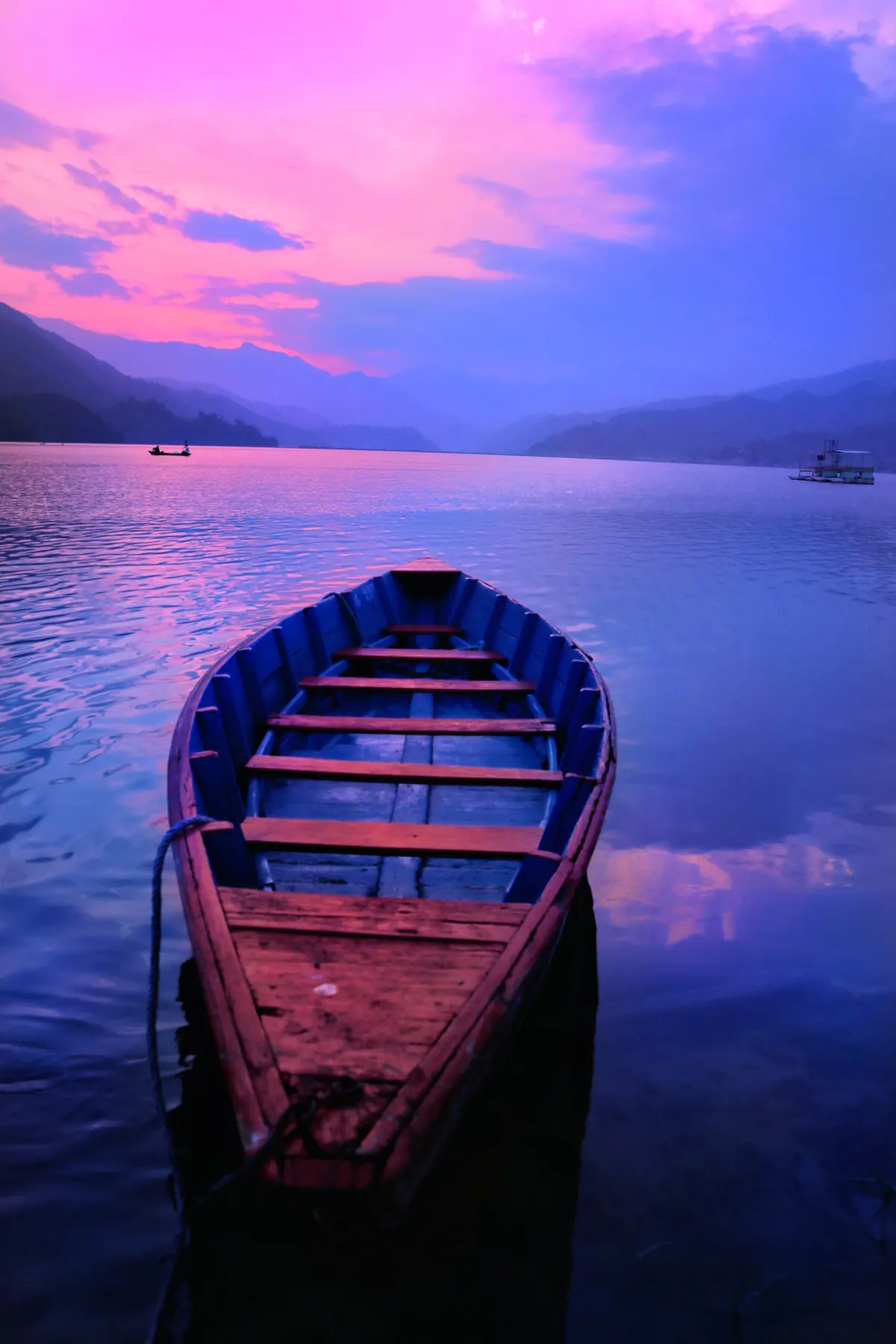
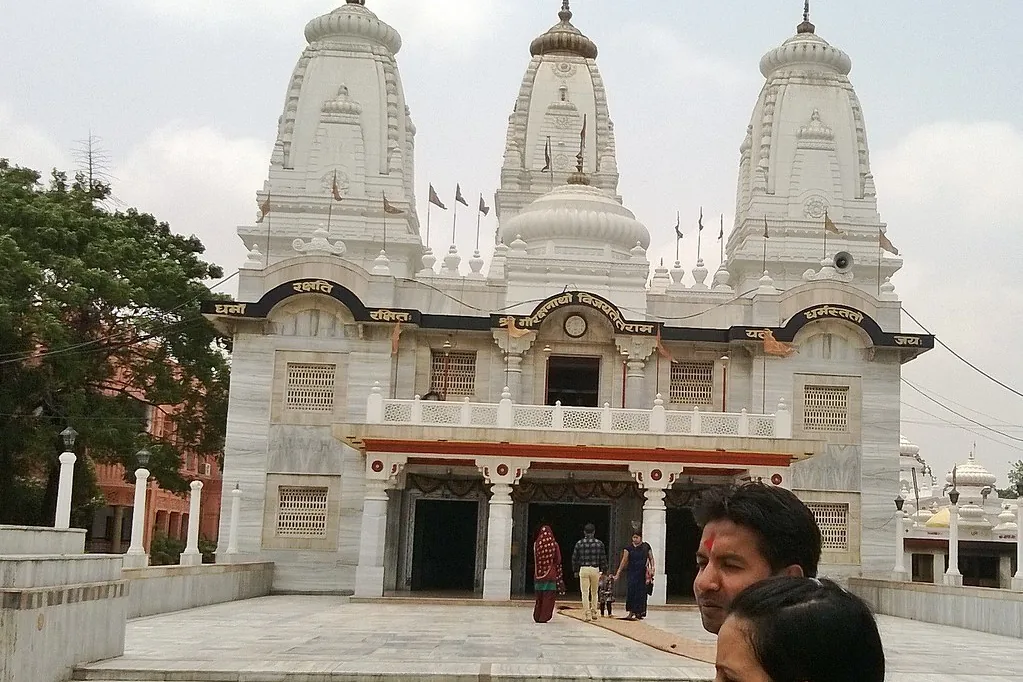
Lumbini · Chitwan · Pokhara · Kathmandu
Your own group, considered hotel choices and a daily pace shaped around the people travelling.
Quoted for your group · Agreed meal plan. See the package inclusions for the exact scope.
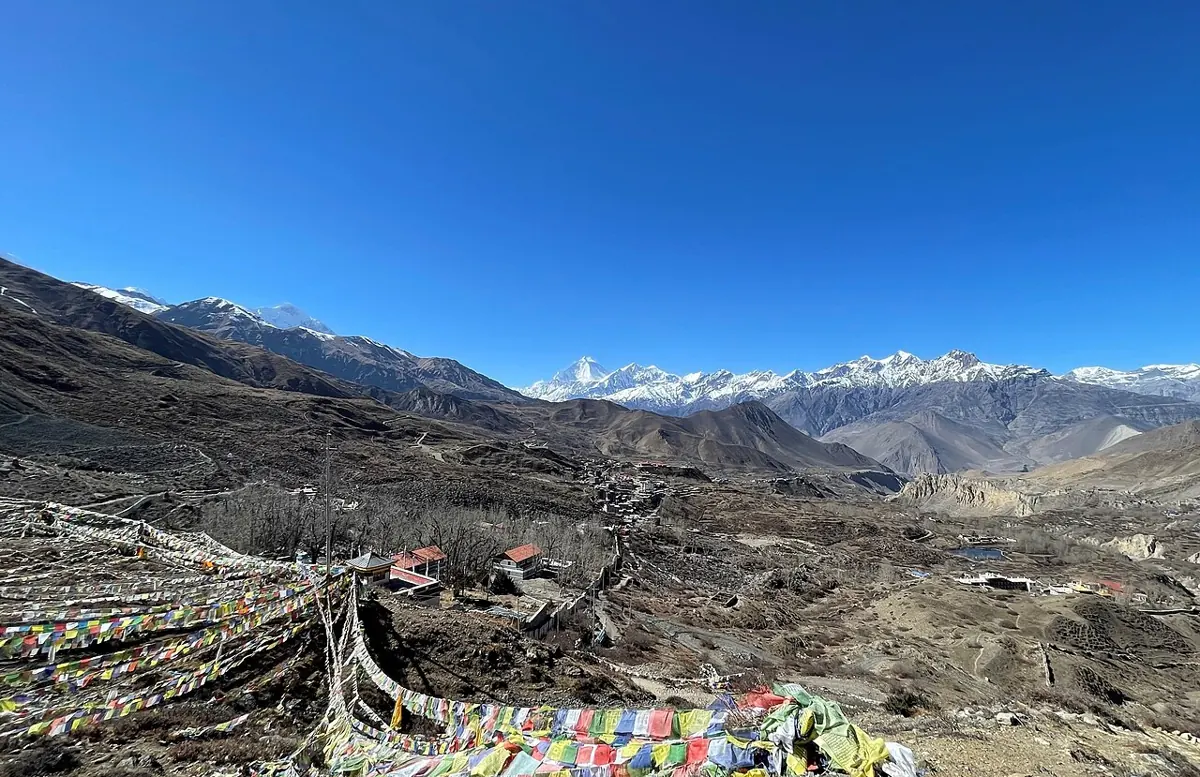
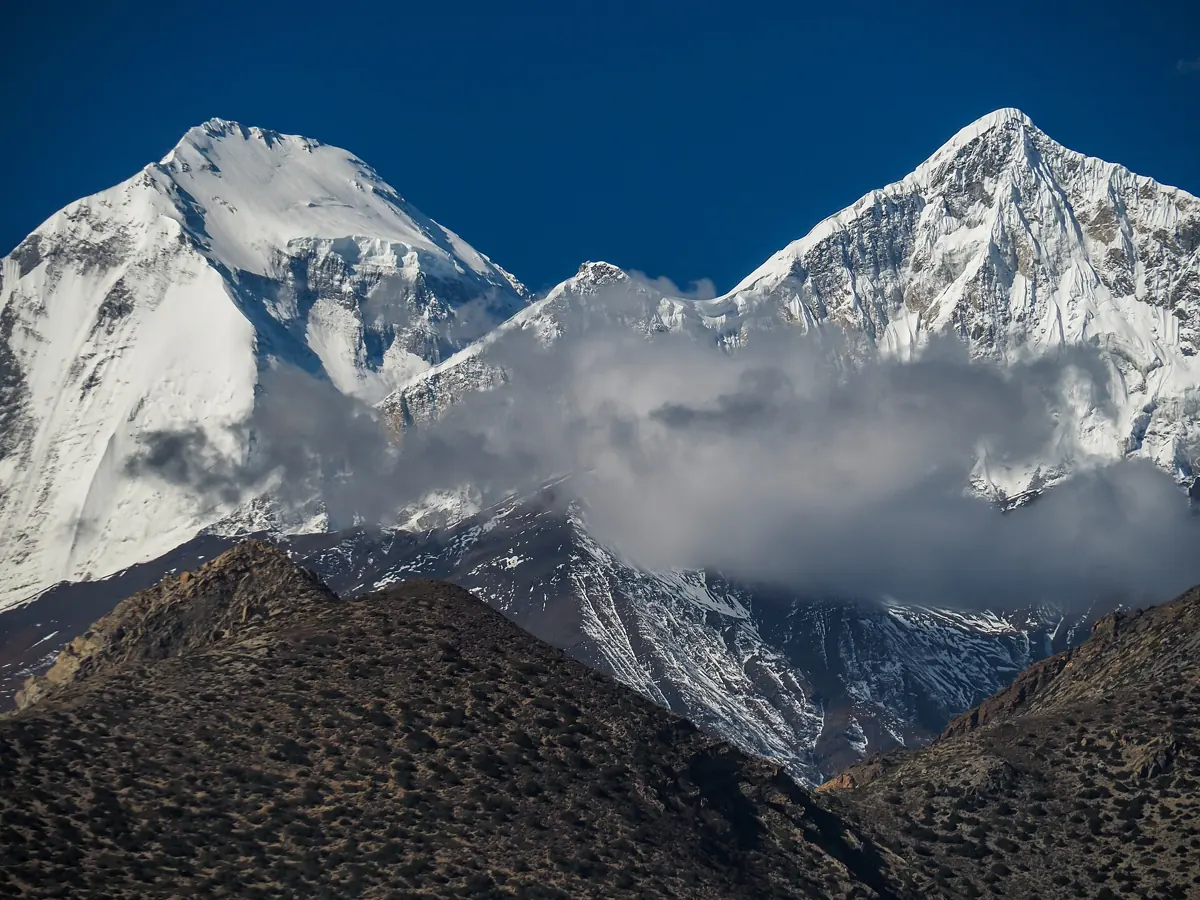
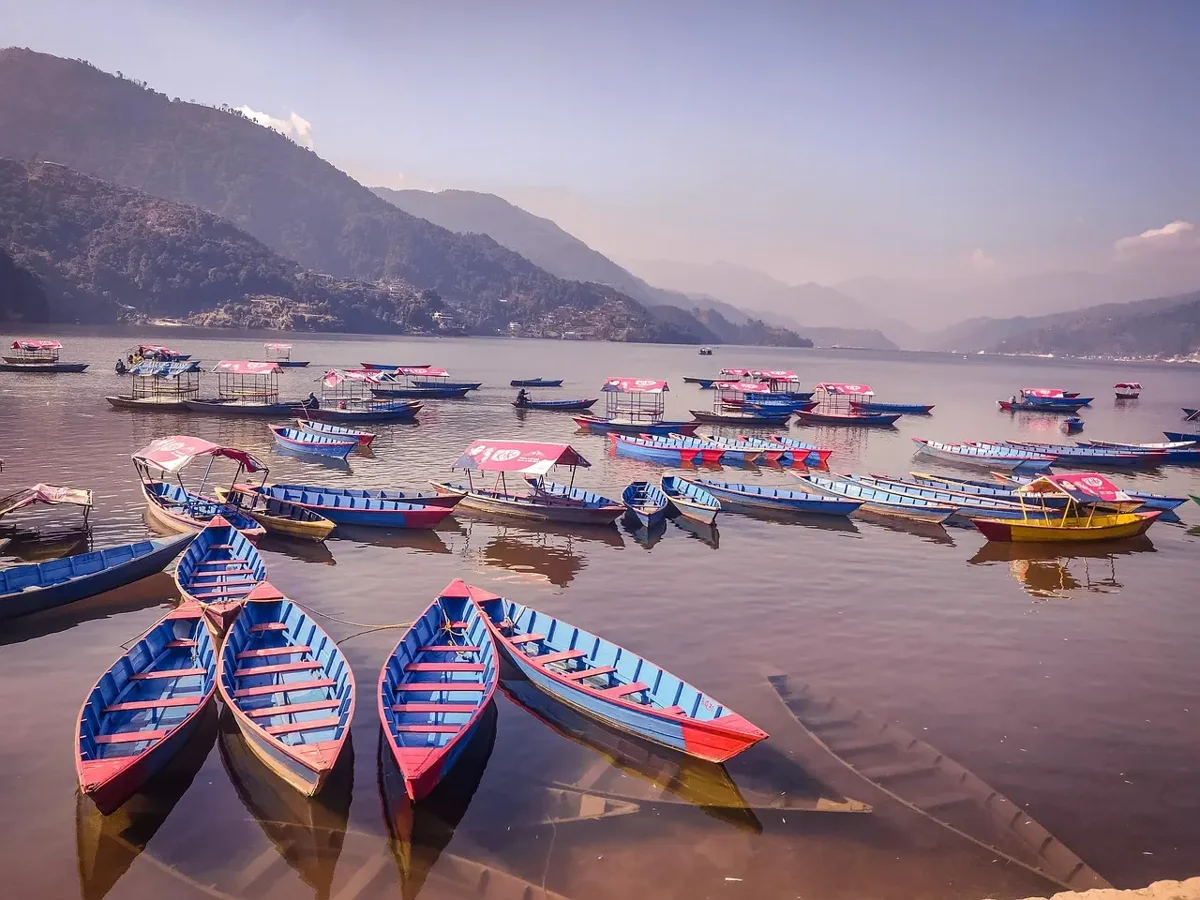
Pokhara · Jomsom · Muktinath
A dedicated mountain pilgrimage with local transport, access and weather buffers considered.
Quoted by overnight stop · Agreed meal plan. See the package inclusions for the exact scope.
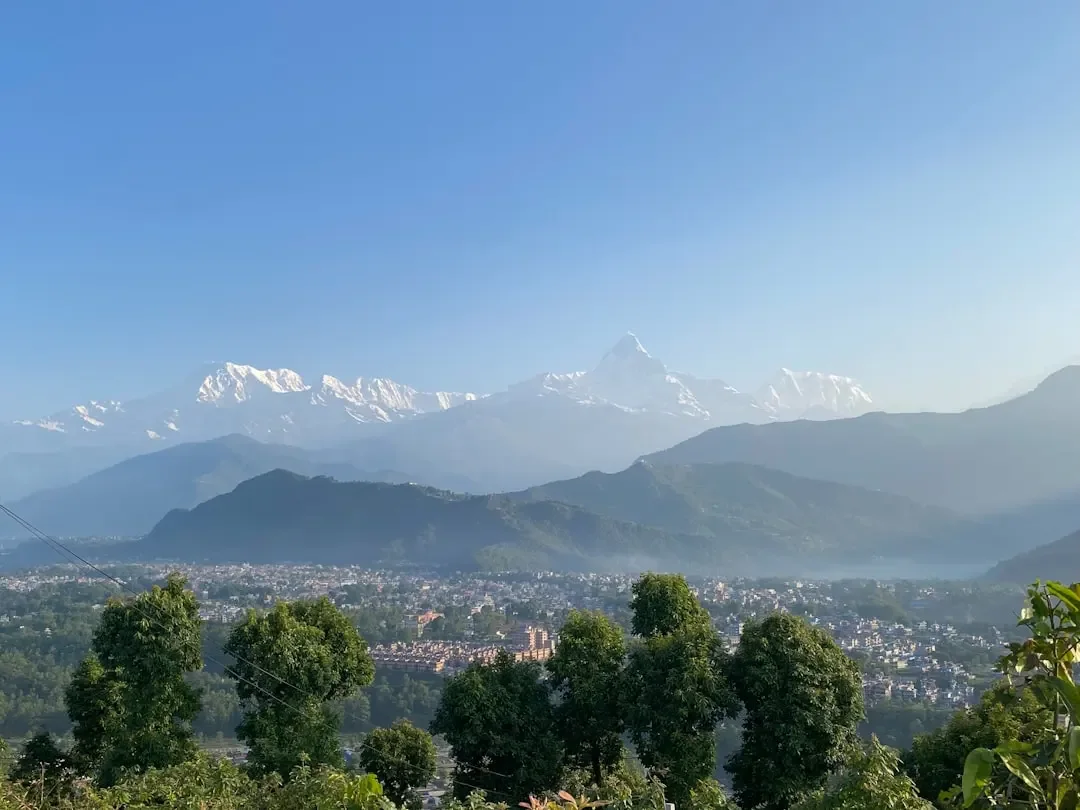
Pokhara · Kathmandu
Room layouts, walking needs and rest time considered from the start.
Family room plan on request · Agreed meal plan. See the package inclusions for the exact scope.
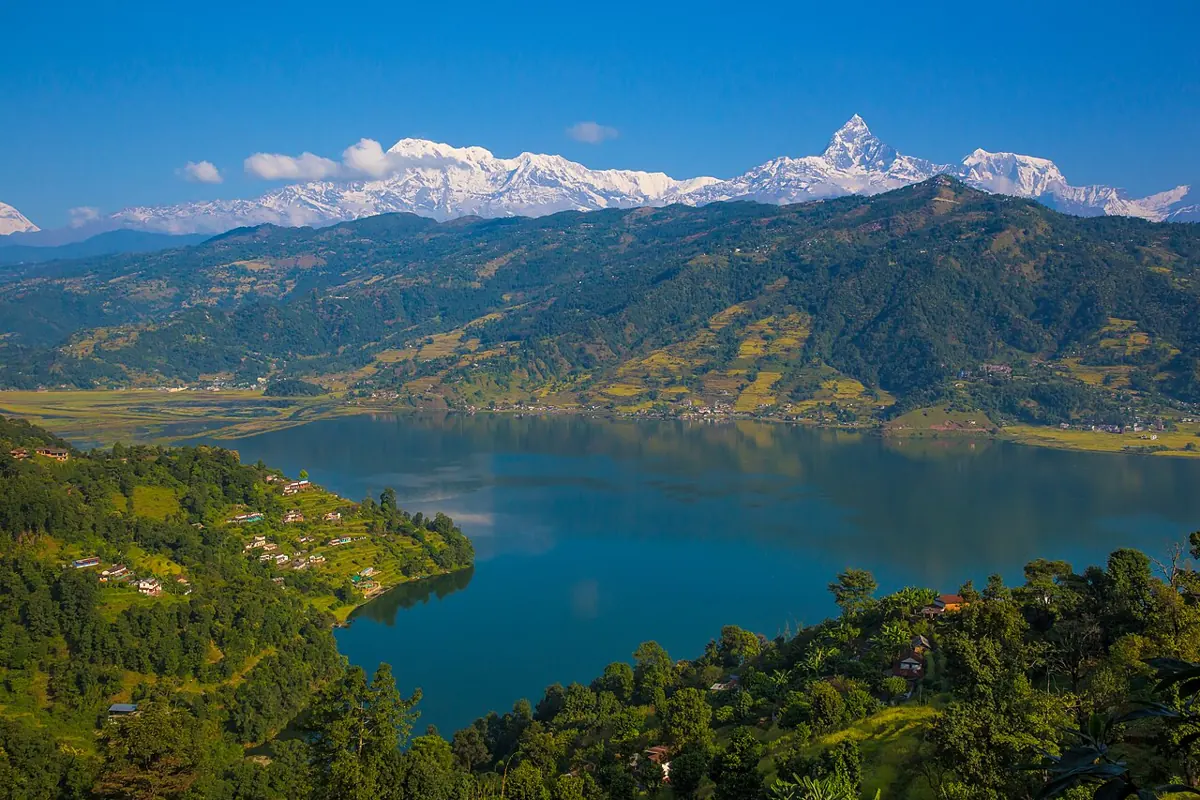
Pokhara
Unhurried evenings and a room chosen with care, without an overloaded sightseeing list.
Exact room category quoted · Agreed meal plan. See the package inclusions for the exact scope.
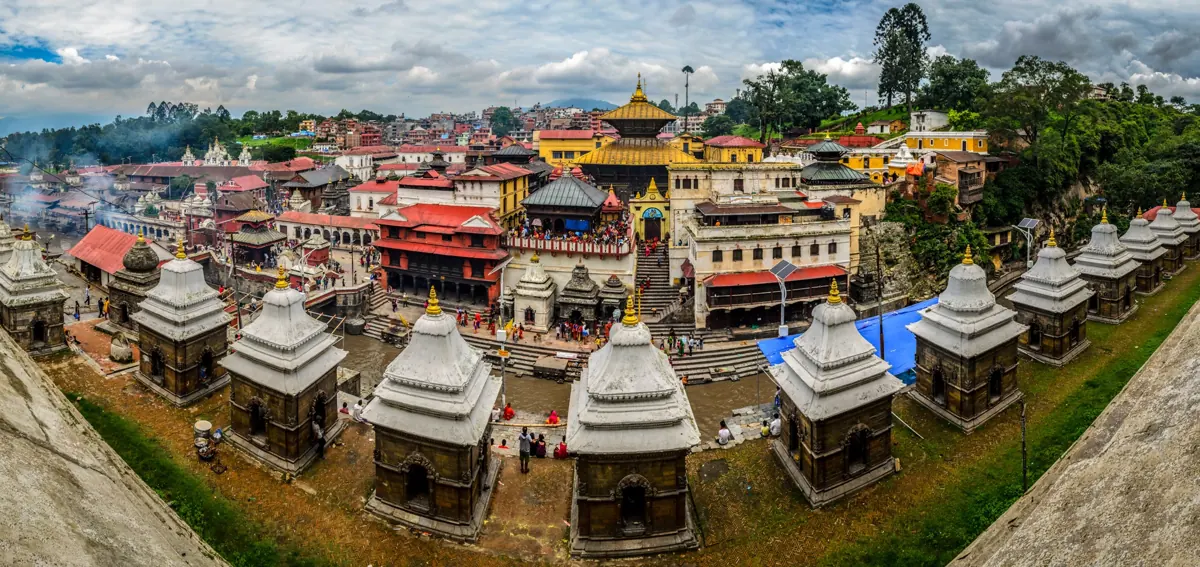
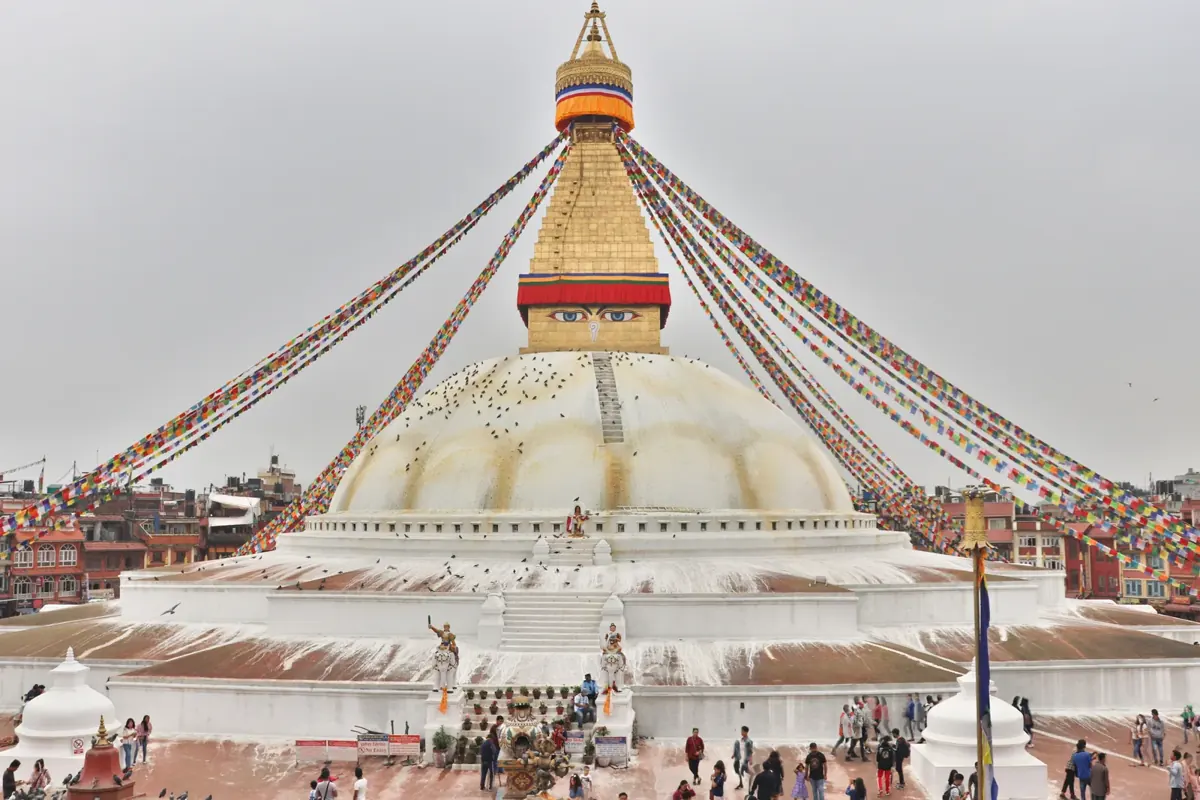
Lumbini · Pokhara · Manakamana Temple · Kathmandu
A private 5-day / 4-night road tour from Gorakhpur covering Lumbini, Pokhara and Kathmandu, with Manakamana on the transfer between Pokhara and Kathmandu. Two nights each in Pokhara and Kathmandu; the short Lumbini stop depends on border and road timing.
Standard twin sharing · Breakfast basis in quote. See the package inclusions for the exact scope.
Lumbini · Kathmandu
A focused private pilgrimage proposal with a Lumbini overnight and two nights in Kathmandu. It gives Pashupatinath and the city’s Buddhist sites priority, while keeping the substantial road days visible.
Standard twin sharing · Breakfast basis in quote. See the package inclusions for the exact scope.
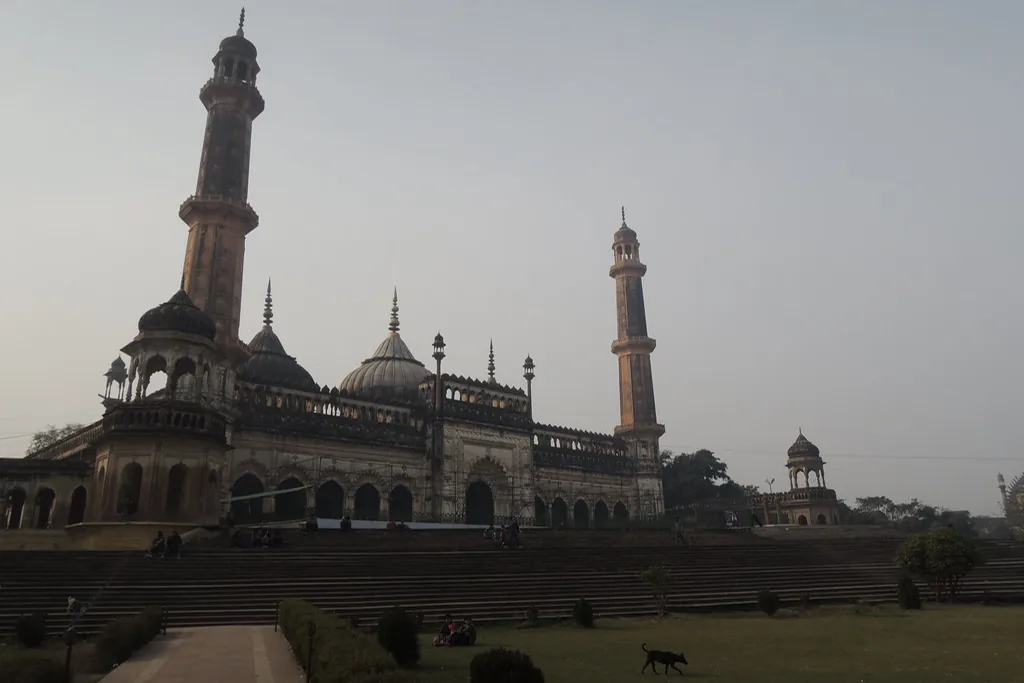
Pokhara · Kathmandu
Compare a private road departure with joining the announced group in Gorakhpur. The starting city changes both your travel time and the quote.
Standard twin sharing · Meal plan as quoted. See the package inclusions for the exact scope.
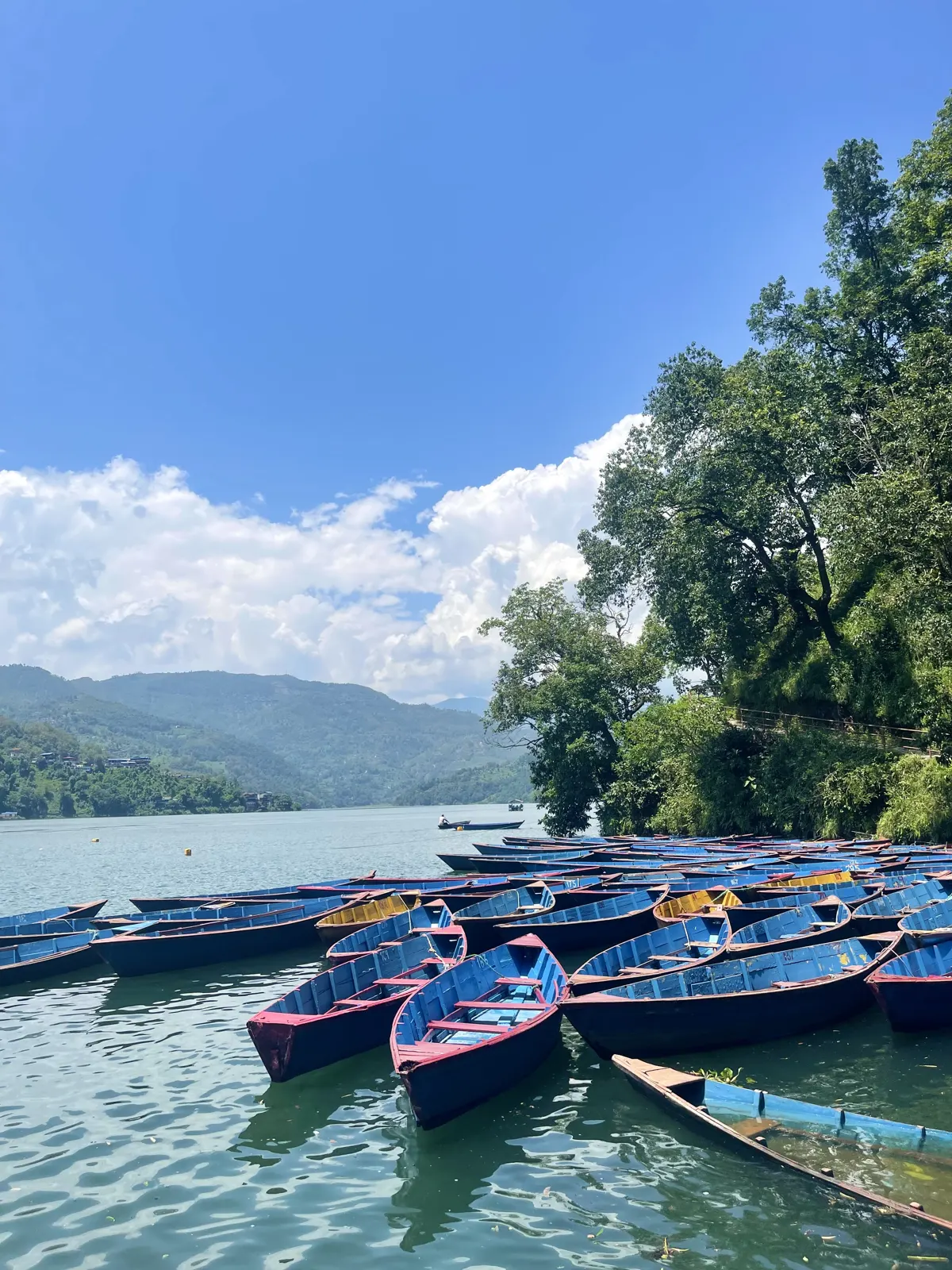
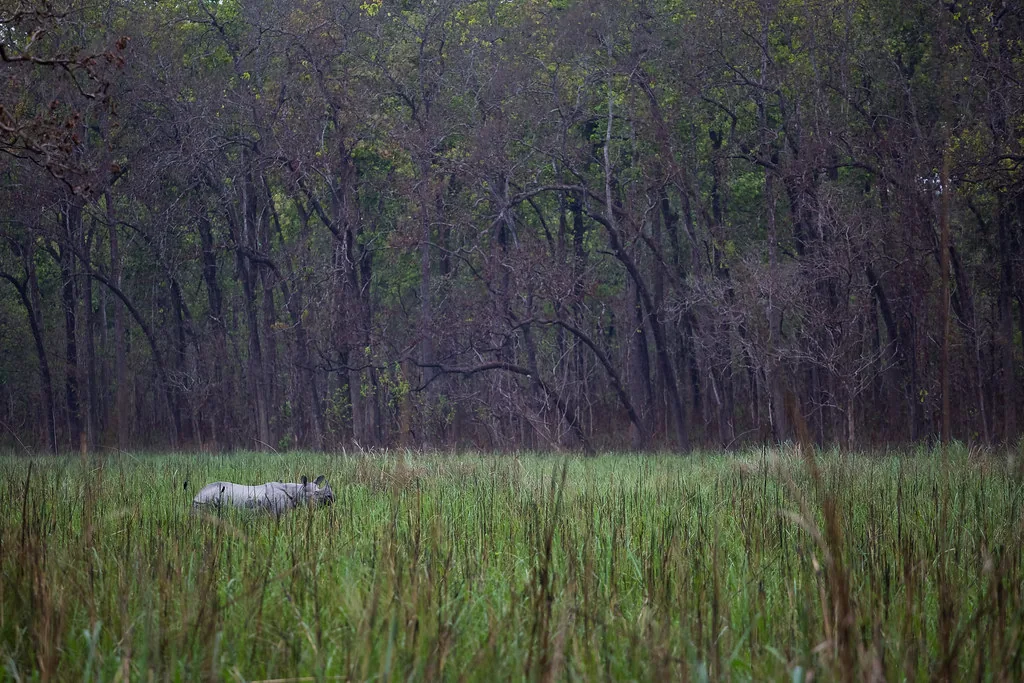
Lumbini · Chitwan · Pokhara · Kathmandu
Seven nights give Lumbini its own stop and Chitwan a second night before the familiar Pokhara–Kathmandu circuit. Choose this private proposal when you want time for a wildlife outing and fewer sightseeing promises on transfer days.
Standard twin sharing · Breakfast basis. See the package inclusions for the exact scope.
Lumbini · Pokhara · Manakamana Temple · Kathmandu
30 October–3 November 2026. Standard 2-star hotels · 2 nights each in Pokhara and Kathmandu.
Standard 2-star hotel · quad/triple sharing as available · Breakfast + dinner at hotels · exact count on booking voucher. See the package inclusions for the exact scope.
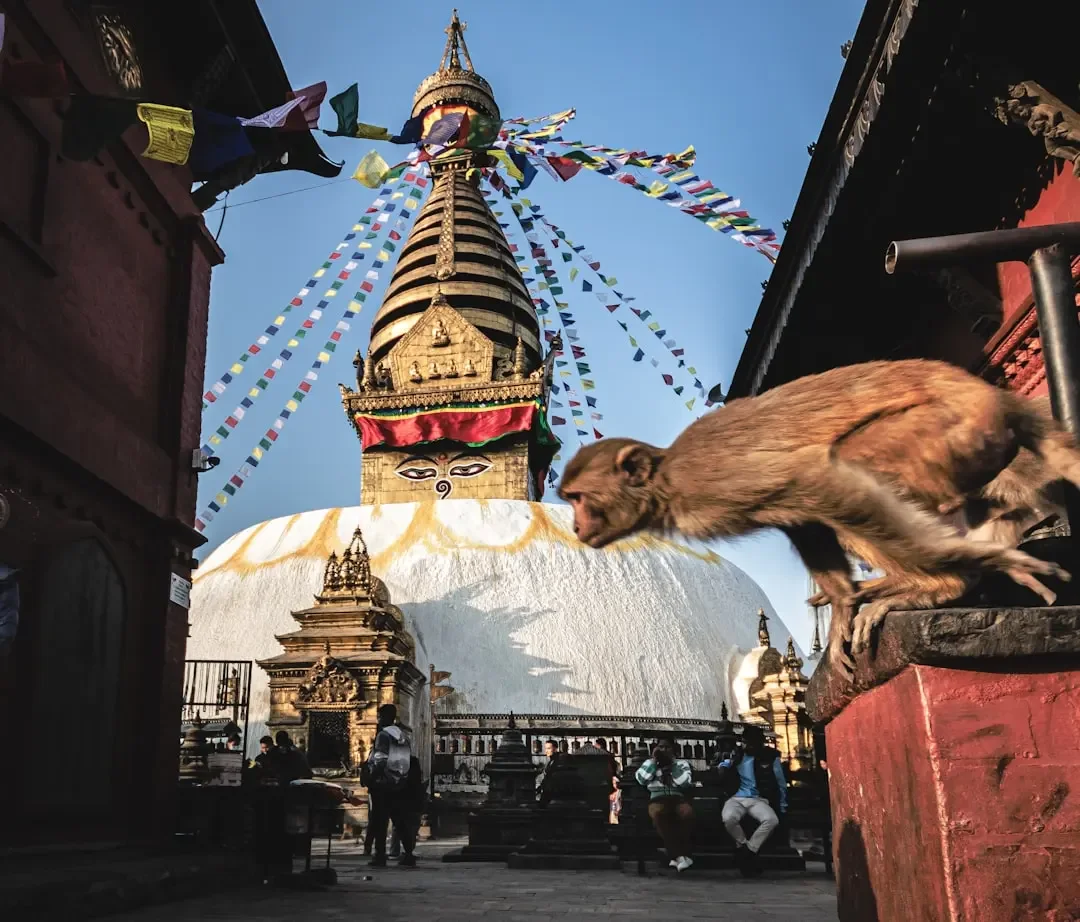
Kathmandu · Chitwan · Pokhara
An eight-day Nepal land circuit for travellers already arriving in Kathmandu. Two Chitwan nights protect time for a selected nature activity, while Kathmandu nights at the end separate the return drive from the international departure.
Twin sharing as quoted · Itemised meal plan. See the package inclusions for the exact scope.
Kathmandu
A Kathmandu-only stay for temple visits, valley heritage and travellers with limited leave. Three nights provide time between arrival and departure without adding a Pokhara road transfer.
Twin sharing as quoted · Itemised meal plan. See the package inclusions for the exact scope.
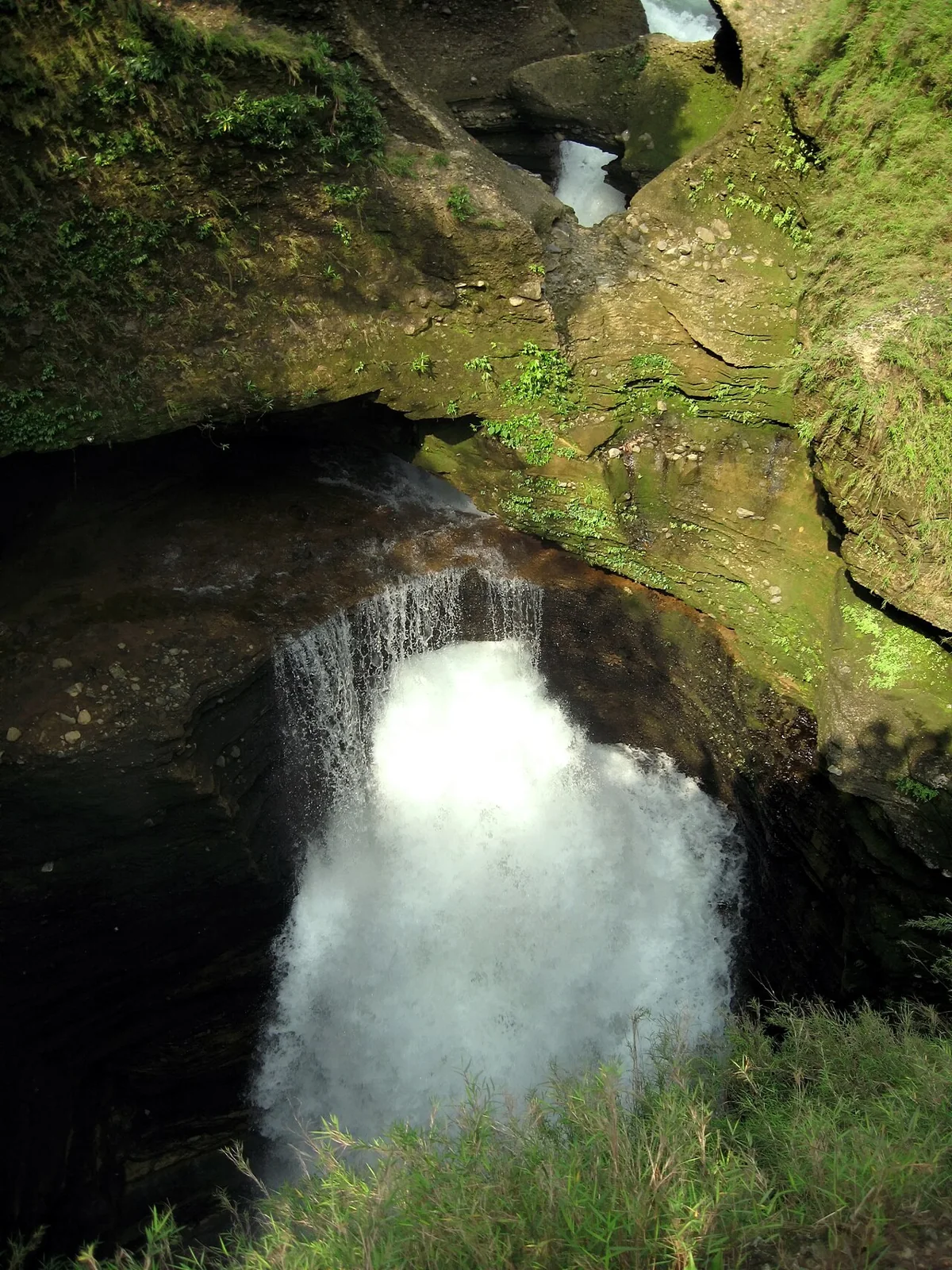
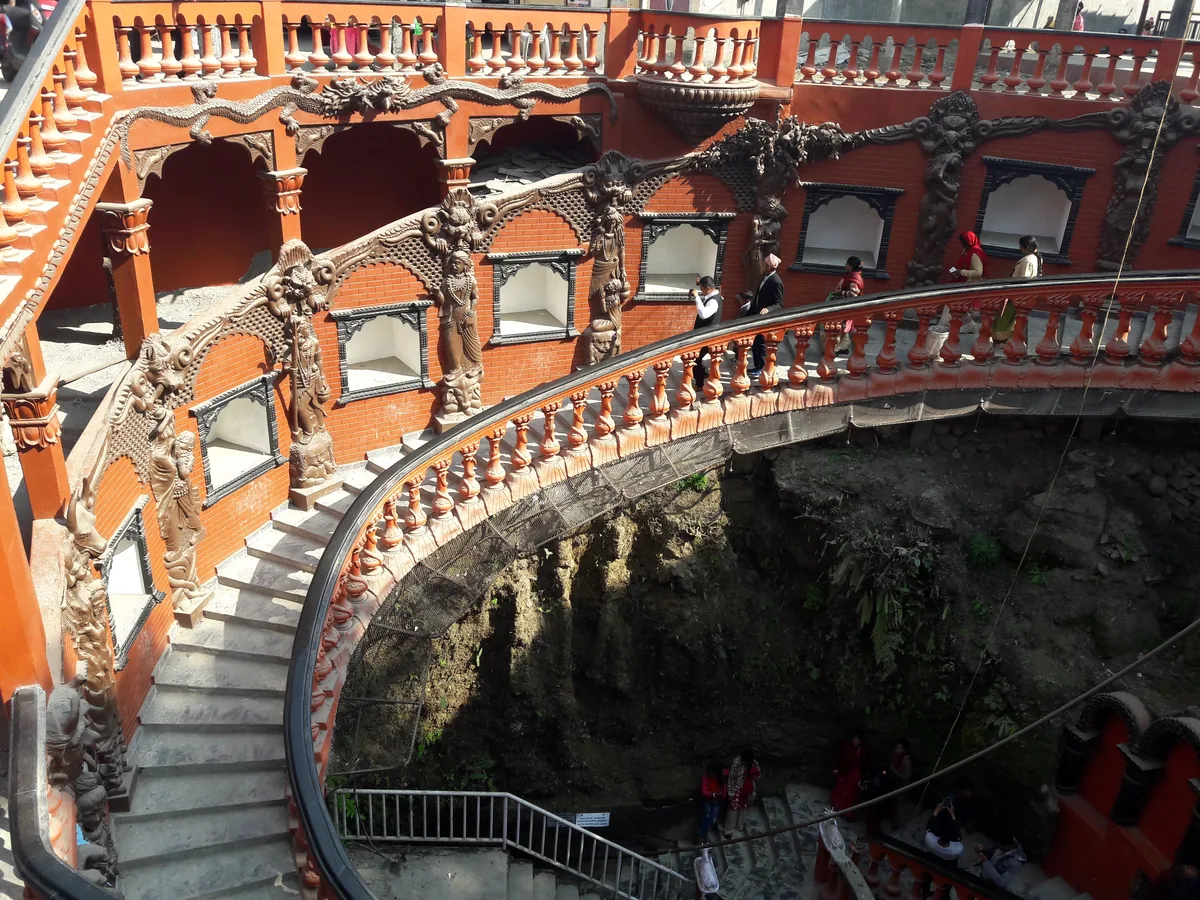
Pokhara
Three Pokhara nights with one local sightseeing day and one flexible outing day. This package starts and ends in Pokhara; it does not hide a Kathmandu or India transfer inside the price.
Twin sharing as quoted · Itemised meal plan. See the package inclusions for the exact scope.
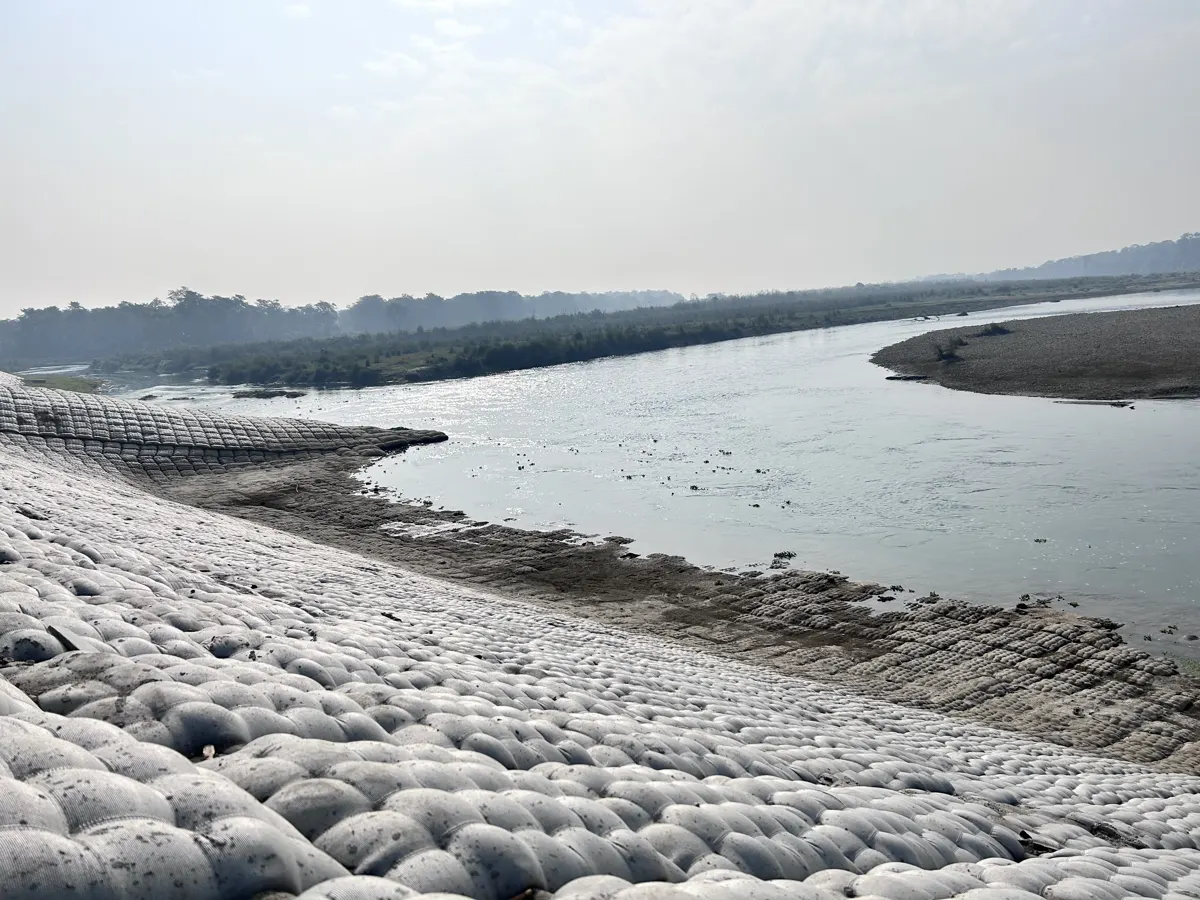
Chitwan
A Chitwan-focused stay for travellers who want actual time for nature rather than a single overnight on a multi-city circuit. Activity type, park access and guide services are confirmed in the quotation.
Twin sharing as quoted · Itemised meal plan. See the package inclusions for the exact scope.
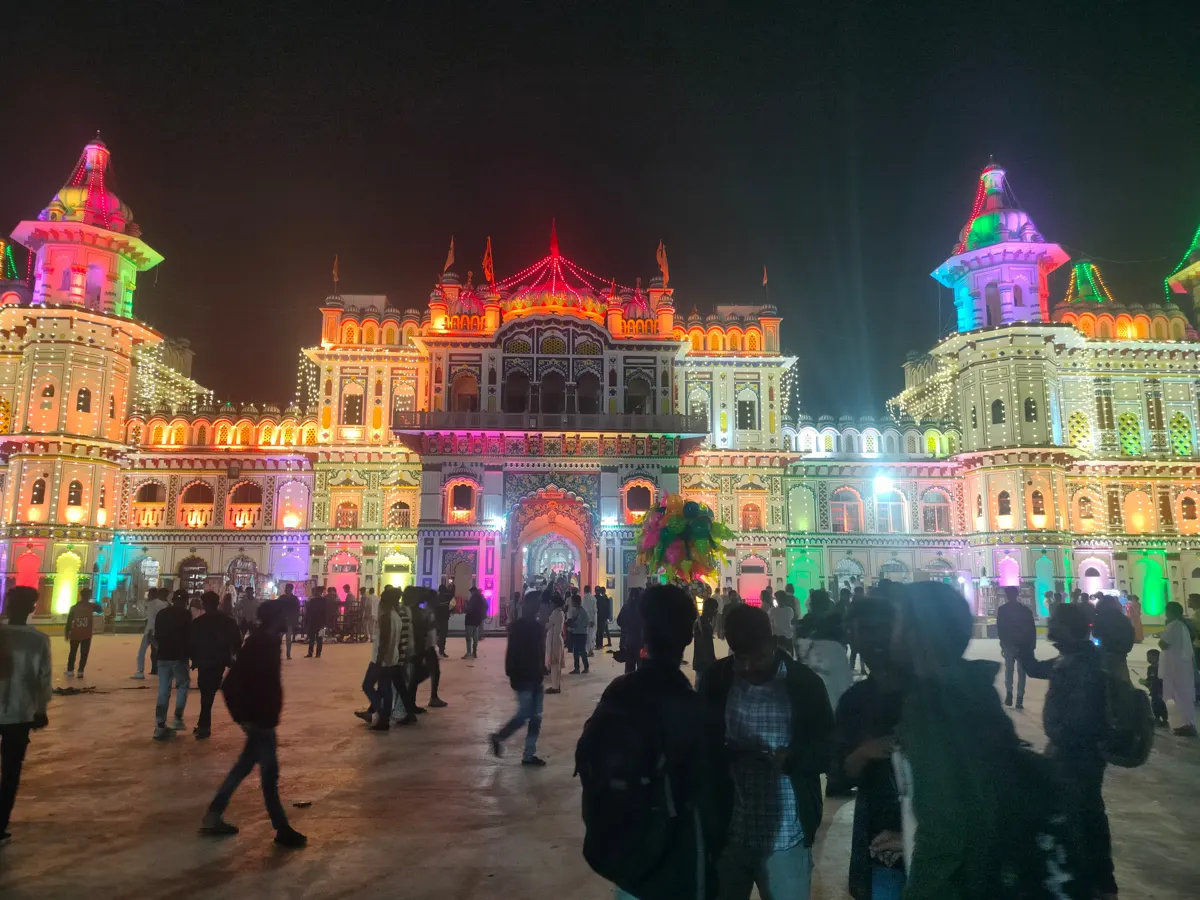
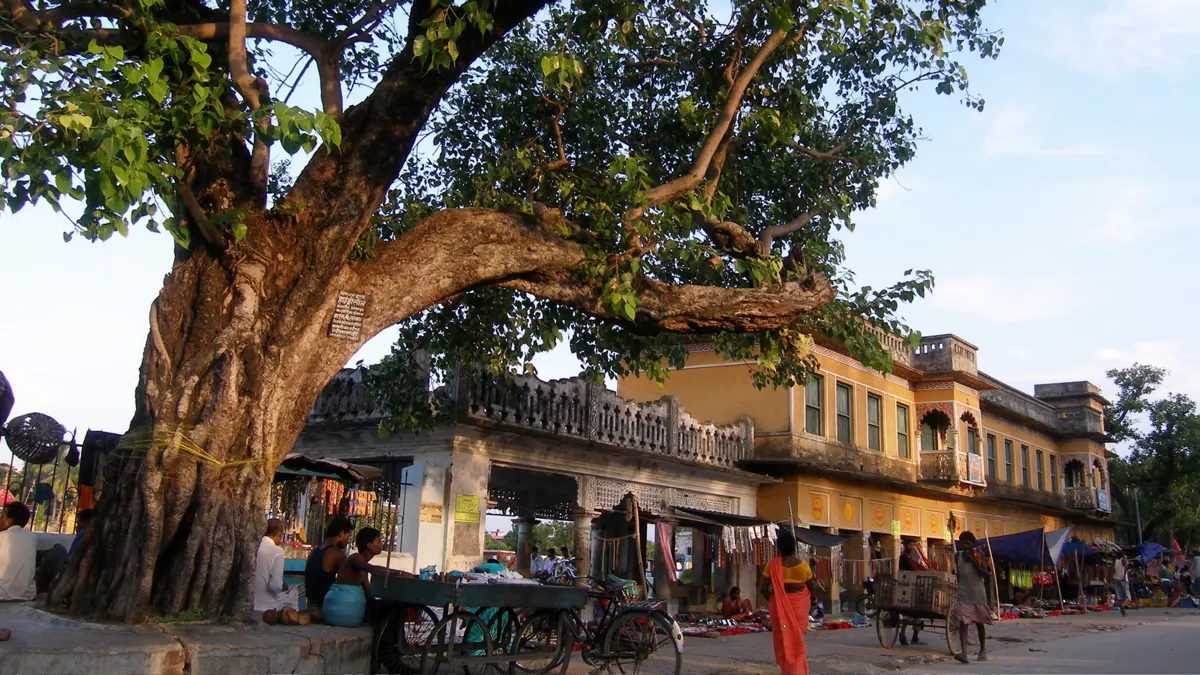
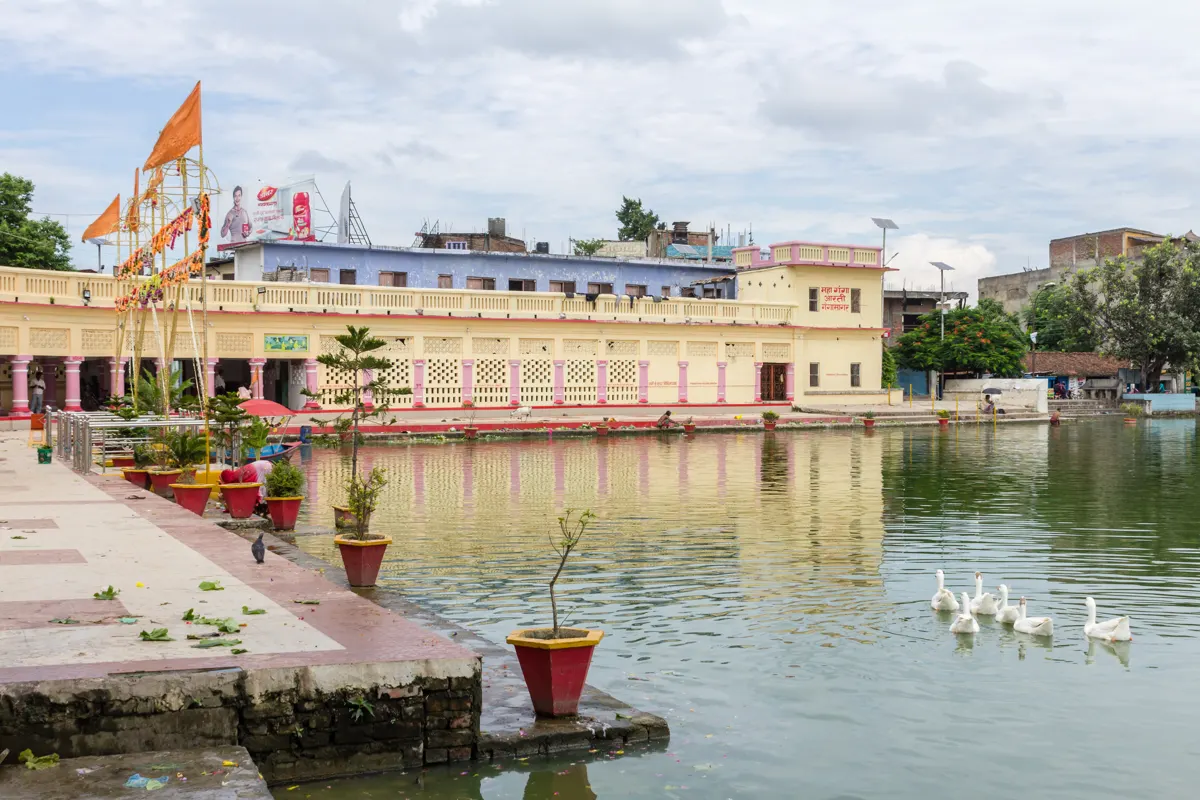
Janakpur
A focused Janakpur stay for Janaki Mandir, Mithila cultural interests and an optional dedicated excursion. It is an eastern Nepal programme, not a small detour from the standard Pokhara circuit.
Twin sharing as quoted · Itemised meal plan. See the package inclusions for the exact scope.
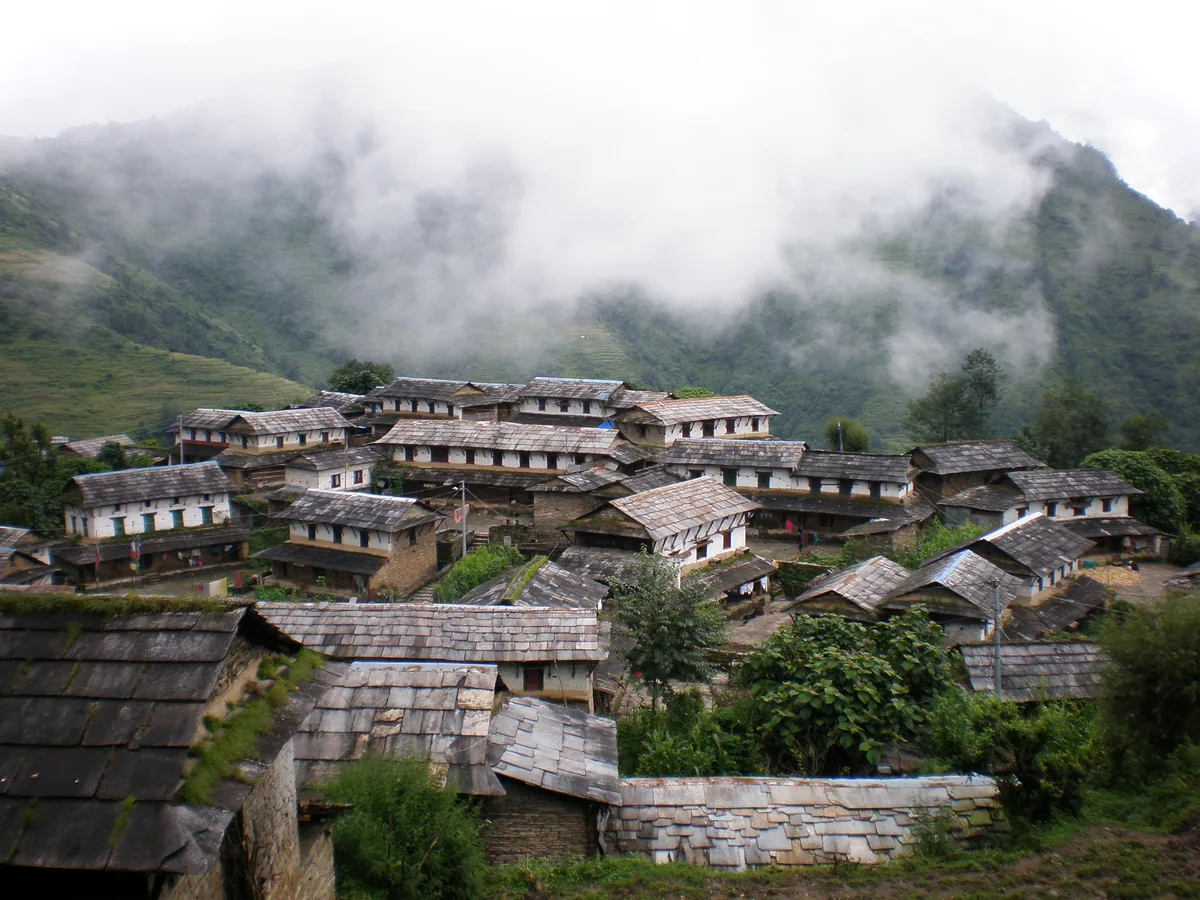
Lumbini · Pokhara · Ghandruk
A seven-day Gorakhpur road proposal built around two nights in Ghandruk and time in Pokhara. It suits travellers seeking a village stay and mountain scenery without presenting a high-altitude base-camp trek as a sightseeing excursion.
Twin sharing as quoted · Itemised meal plan. See the package inclusions for the exact scope.
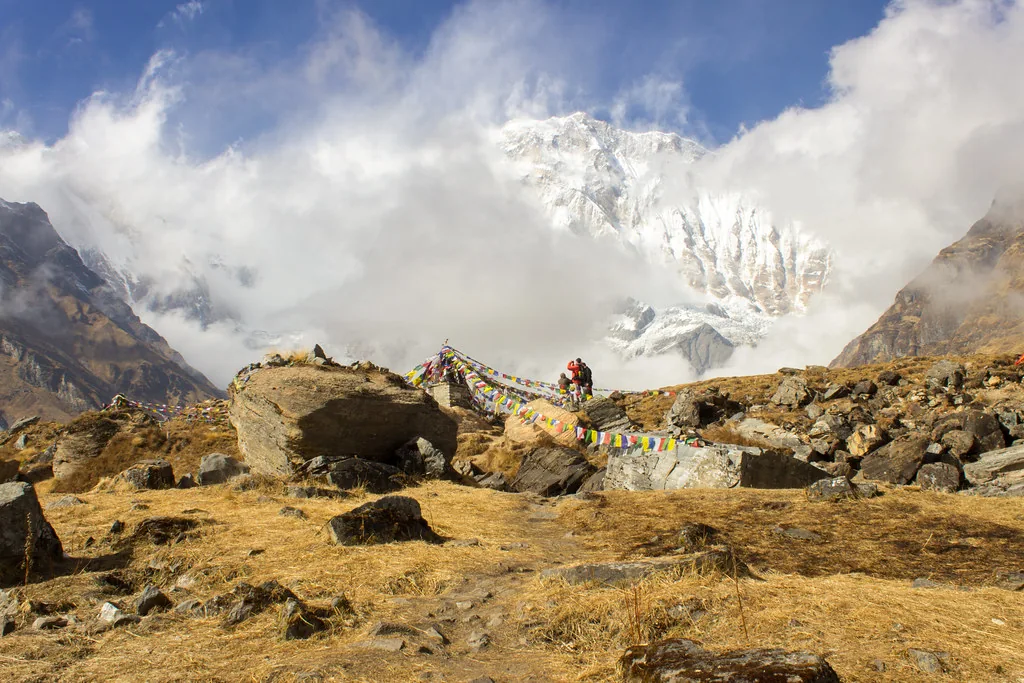
Kathmandu · Pokhara · Ghandruk · Annapurna Base Camp
A fourteen-day guided trek proposal with Kathmandu arrival, Pokhara access, a staged Annapurna Sanctuary walking route and return buffers. The objective and overnight progression must be assessed by the licensed Nepal operating team.
Twin sharing as quoted · Itemised meal plan. See the package inclusions for the exact scope.
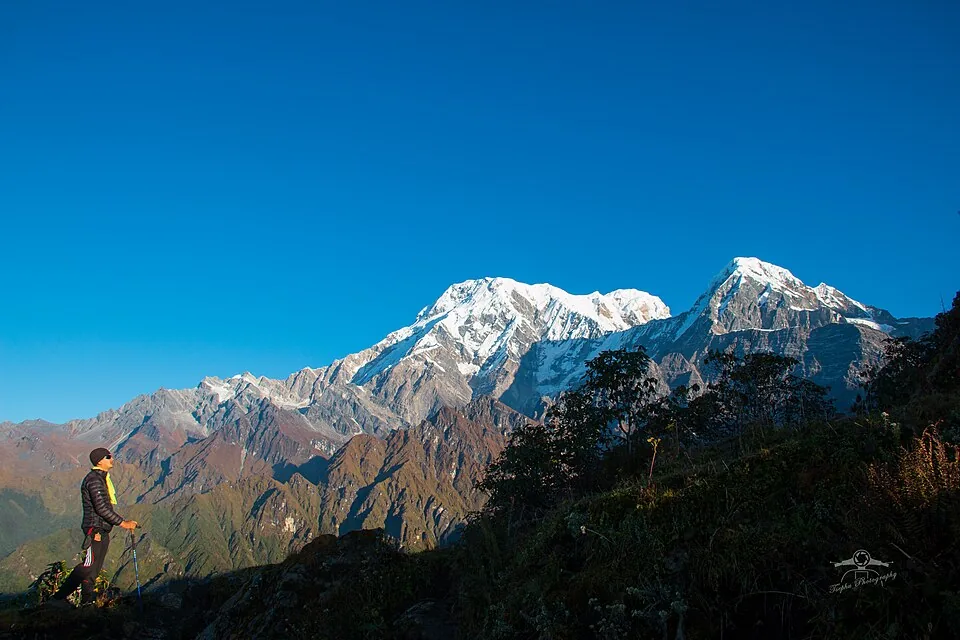
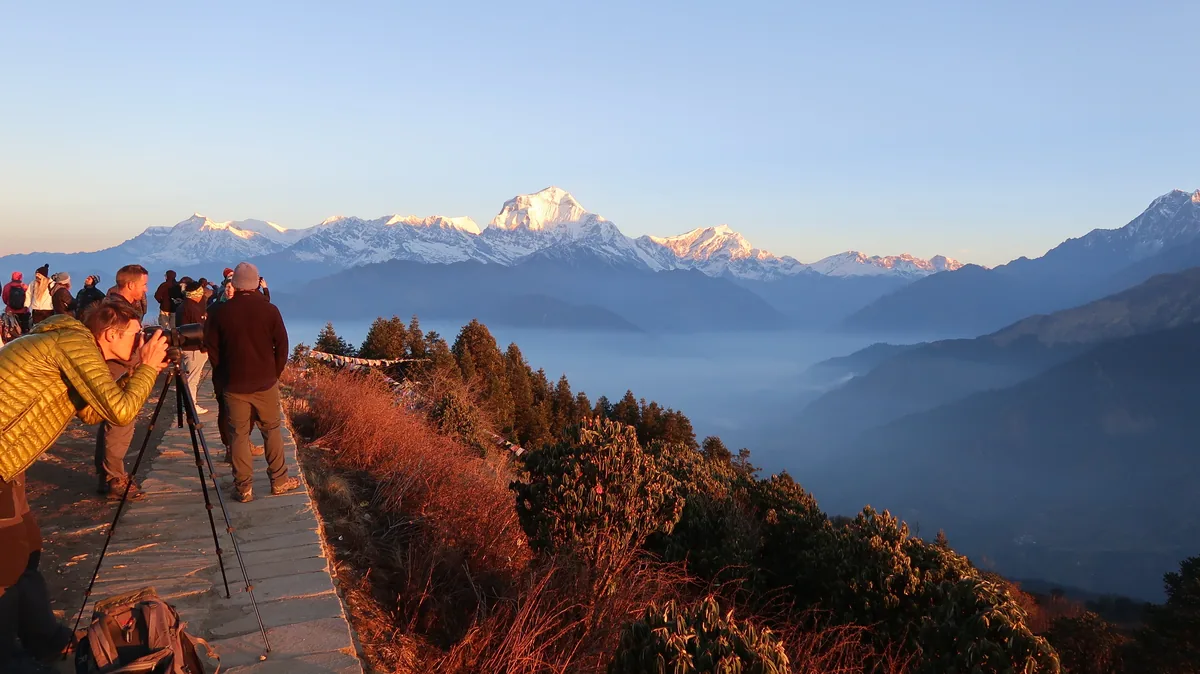
Kathmandu · Pokhara · Ghorepani · Mardi Himal
A combined twelve-day walking proposal for Poon Hill and the Mardi Himal ridge. This is a more involved journey than a short Pokhara excursion; the guide confirms the safe high point and daily stages.
Twin sharing as quoted · Itemised meal plan. See the package inclusions for the exact scope.
Kathmandu · Pokhara · Ghorepani
An eight-day guided proposal with city transfers and a shorter Annapurna foothill walking route. Poon Hill still involves sustained walking and steps; shorter does not mean effortless or suitable for everyone.
Twin sharing as quoted · Itemised meal plan. See the package inclusions for the exact scope.
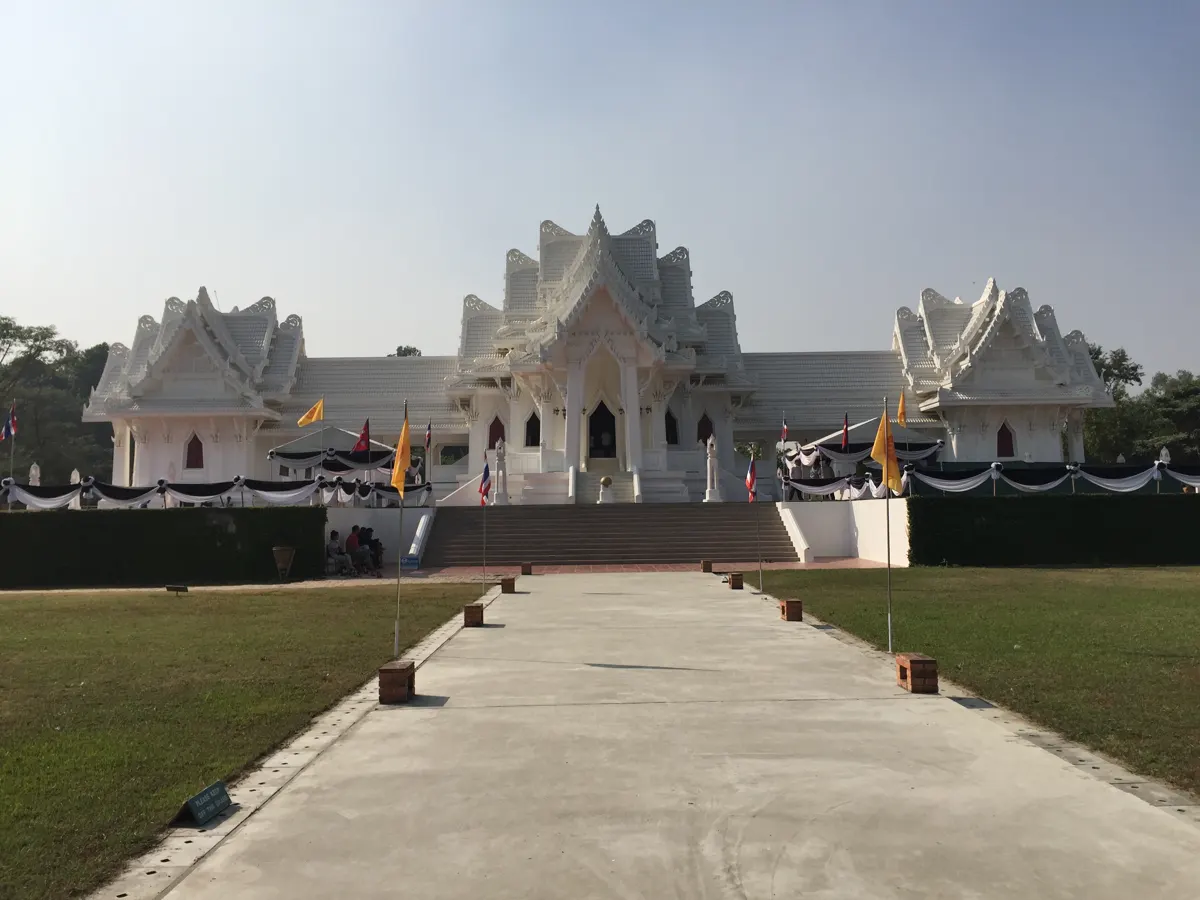
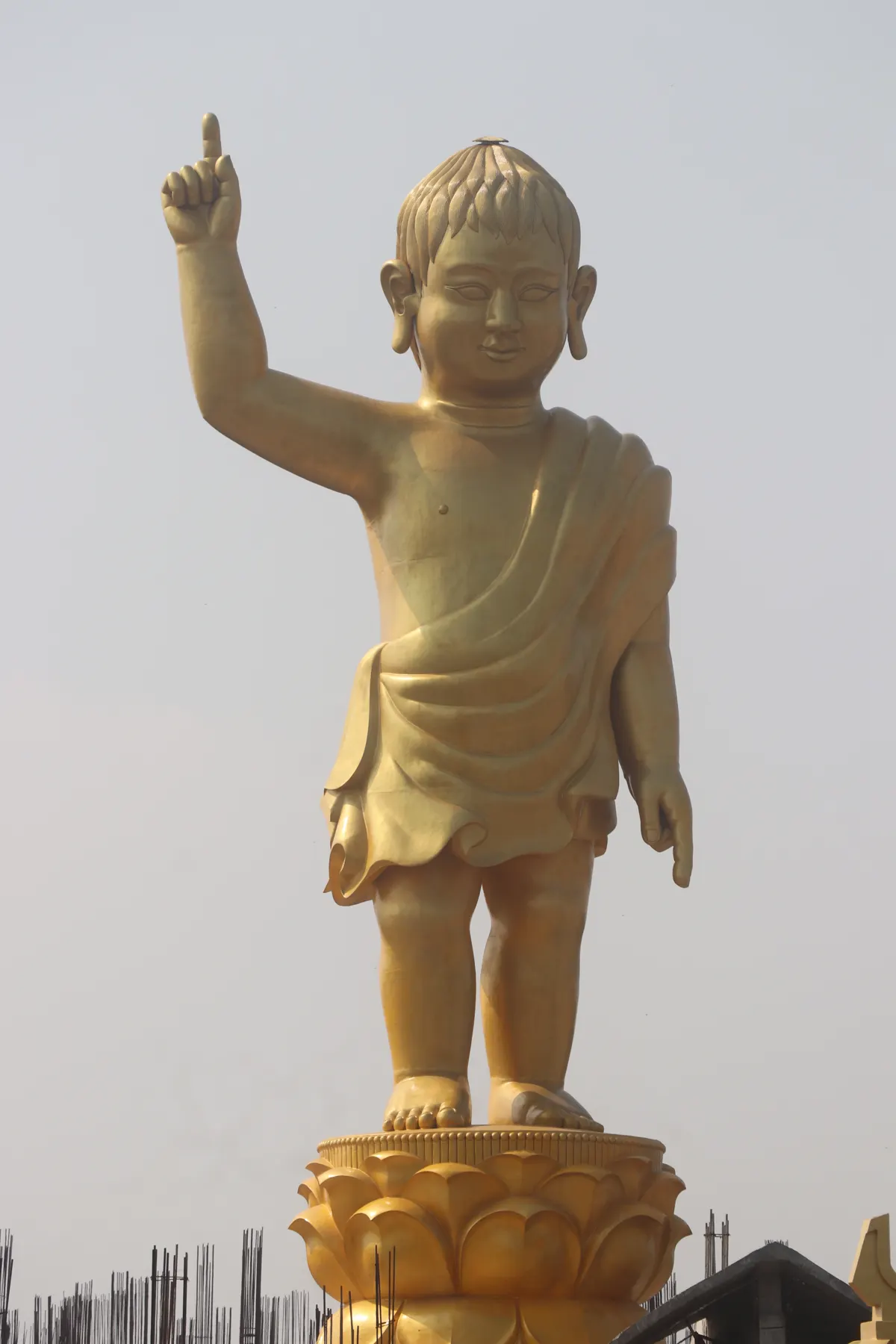
Lumbini
A three-day private Lumbini pilgrimage from Gorakhpur, with two Lumbini nights for the Sacred Garden and selected monasteries. The route returns through Sunauli to Gorakhpur.
Category and sharing as quoted · Itemised meal plan. See the package inclusions for the exact scope.
Kathmandu · Pokhara
A six-day private Nepal tour starting and ending in Kathmandu: three Kathmandu nights and two in Pokhara, with separate city sightseeing days and two intercity transfer days.
Category and sharing as quoted · Itemised meal plan. See the package inclusions for the exact scope.
No matching tours. Try another place or ask us about your route.
Send dates, travellers and room preference. Get a written itinerary and price.
Choose a place for its views, culture or pilgrimage, then see how it fits your route.
Pokhara and Kathmandu make a practical starting point for a first Nepal holiday. Chitwan brings a lowland riverside setting; a proper wildlife stay needs time for scheduled activities. Lumbini works as a focused pilgrimage visit near the border. Muktinath is a separate high-altitude extension that needs more days and different transport planning.
Start by choosing between a shared fixed departure and a private trip. A group has a published programme and a common pace. A private tour allows more control over room arrangements, departure time and rest stops, but its cost depends on how many people share the vehicle.
Gorakhpur is the main joining point for our published Nepal group departure. Reach the city before the reporting time and allow a buffer after the return. If you need a Lucknow pickup, ask for a private transfer plan; it is not included in the Gorakhpur group price. We do not advertise an unconfirmed Lucknow group date.
Do not judge a package by the length of its attraction list. A transfer from Pokhara to Kathmandu can consume most of a day. A late border crossing may reduce time at Lumbini. An itinerary should explain which stops are core, which depend on arrival, and which cost extra.
A Nepal holiday can mean a lakeside break, a temple-focused visit or a road circuit across several cities. The first useful decision is how many nights you can spend away after accounting for your journey to the departure point. A four-day Kathmandu route and a five-day Pokhara–Lumbini route answer different needs. Neither is a shortened version of every attraction in Nepal.
On the six-day group programme, five nights are divided between Chitwan, Pokhara and Kathmandu. That gives you two full city sightseeing days, with the remaining days involving road travel. The eight-day private proposal adds time in Lumbini and Chitwan. Choose that extra time because you want to use it, rather than expecting a longer attraction list to make a better holiday.
The fixed departure has a shared date, common transport and an agreed programme. It works for a solo traveller who accepts the room-matching conditions, a couple comfortable travelling with a group or friends who want the planning already set out. The date and room-sharing fare are visible on its package page. Check the operating status before paying.
A private package starts with your own party. Room combinations, pickup, sightseeing pace and extra nights can be discussed before the final quotation. The price per adult changes with the number of paying travellers: a couple and a six-person family use different vehicle and room budgets. Our private headline figures are explicitly labelled planning estimates. They do not establish confirmed hotel availability for a particular date.
Read the overnight list first: the city, number of nights, room occupancy and hotel selection basis. Then check whether the vehicle covers your full route, whether local transport changes are expected and where the booking begins and ends. Finally, count the included breakfasts and dinners. The word package does not tell you that attraction tickets, lunches, boats or mountain shuttles are included.
Ask for the amount payable for the entire party as well as the rate per adult. Children, extra beds, single rooms, arrival nights and applicable taxes need their own treatment. A lower headline can be a different product rather than a better price. Use the inclusions, exclusions and group-size table on the individual tour page to decide what you still need to ask.
The private 5D/4N Gorakhpur proposal includes a brief Lumbini stop when timing allows, a full Pokhara sightseeing day, Manakamana on the transfer to Kathmandu and one Kathmandu sightseeing day. It has two nights each in Pokhara and Kathmandu.
This is a road-intensive route, not a relaxed long stay. Lumbini depends on border and road timing; the Manakamana cable car depends on operation and available time. The six-day group is a separate product, and Muktinath needs a different, longer mountain itinerary.
The published group tour begins and ends in Gorakhpur. Your travel from another city is separate unless a written connection is added. Send actual arrival details before choosing the joining day. An arrival-night hotel can make more sense than relying on a train reaching just before the group leaves.
Check the linked travel-document guide against current official advice for every traveller. Road conditions and border procedures also affect the return, so keep onward connections flexible. The travel desk can help plan the route, but a tour booking does not remove an individual traveller’s entry requirements.
For a first road holiday, autumn and spring are practical starting points for the discussion. Autumn can offer clearer mountain views after the rains; spring brings warmer days and a different feel in the hills. Neither season guarantees a visible Annapurna range on the morning you visit Pokhara. Build the holiday around places you will enjoy even when the peaks are hidden: lakeside walks, heritage, food, temples and time together. A sunrise outing is a weather-dependent addition, not the only reason for staying in a city.
Winter can suit a lower-altitude Kathmandu, Pokhara and Lumbini circuit if you are comfortable with cool mornings and evenings. Ask about room heating rather than assuming a standard hotel supplies it. Chitwan and the Terai have a different climate from mountain villages. A warm afternoon in one place says little about the next overnight stop. Monsoon travel needs more flexibility around road disruption, wet paths and visibility. For mountain routes, request a route-specific assessment instead of using a city-holiday calendar.
Dashain, Tihar and other festival periods may change staffing, traffic, opening arrangements and room availability. The attraction of seeing a celebration must be balanced against transport and crowd management. Before paying, ask which date-sensitive visits are actually planned and whether the hotels have been checked. If your dates are fixed by school holidays or leave approval, begin with a robust itinerary for that period rather than a promise of ideal weather.
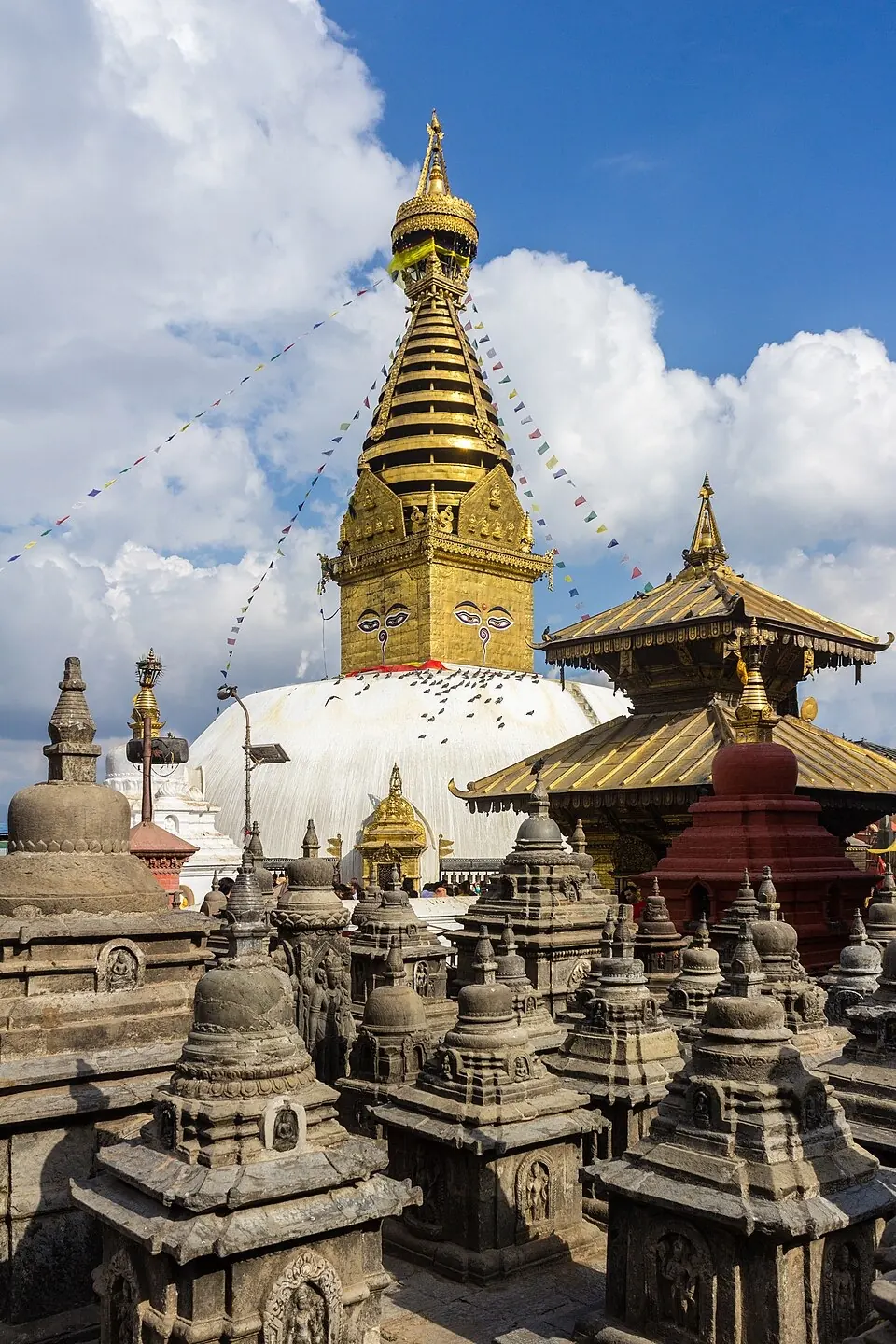
Kathmandu is the strongest starting point for a flight-led heritage and temple holiday. Pashupatinath, Boudhanath, Swayambhunath and the historic squares belong to different parts of the valley, so divide them sensibly. Driving between sites, finding parking, walking and waiting for access all use time. A four-day Kathmandu stay can be more satisfying than a four-day attempt to reach both Kathmandu and Pokhara. Confirm religious entry restrictions separately from access to surrounding public areas.
Pokhara gives a holiday breathing space. Phewa Lake and Lakeside can work around scheduled visits to Devi’s Fall, Gupteshwor Cave or a viewpoint. Sarangkot is primarily a mountain-view outing; Pumdikot is a separate hilltop religious visit. They are not interchangeable names for the same stop. Chitwan is for travellers who want to allocate time to a chosen nature activity. One hotel night on a road circuit does not automatically provide a safari. Ask which activity, park sector, guide, permits and transfer are included.
Lumbini is a Buddhist pilgrimage destination rather than a quick scenic photo stop. Decide whether the Sacred Garden is the main purpose or whether the wider monastery area deserves an overnight stay. Janakpur is in a different part of Nepal and suits a separate Mithila-focused route. Muktinath and Ghandruk involve mountain access and different practical demands. Adding all three to a standard Kathmandu–Pokhara circuit changes the duration, vehicle requirements and budget substantially.
Count the nights available inside Nepal before counting attractions. Four days with Kathmandu arrival and departure can support a focused valley stay. Four days beginning in Gorakhpur include long road movements, so the sightseeing window is much smaller. Five days can work for a Lumbini–Pokhara route that deliberately leaves Kathmandu out. Six days is the published Gorakhpur group format, with substantial transfer days alongside the two principal city sightseeing days.
Eight days gives more room to choose what the extra nights are for: a Chitwan activity, a dedicated Lumbini visit or a slower Pokhara stay. Ten days can separate major transfers and provide time for a carefully selected extension. Extra days should reduce pressure or deepen the experience; they need not add another city every night. If grandparents or young children are travelling, an extra hotel night can improve the trip more than upgrading the vehicle while keeping a rushed route.
Ask to see both the day-wise plan and the overnight table. A transfer day described with several sightseeing names can look full on paper but leave little usable visiting time. Mark your arrival and final departure on the same calendar. If either depends on another operator’s flight or train, leave a buffer and establish who is responsible when the connection changes.
Begin with a small number of priorities. A pilgrimage family may value time at Pashupatinath more than another viewpoint; a couple may prefer an unhurried afternoon around Phewa Lake. Tell the desk what would disappoint you most to miss. The itinerary can then protect that visit and place less important options around it. Do not prepay several weather-dependent activities on the same day without checking their cancellation conditions.
Boating, cable cars, adventure sports, local shuttles and park activities need an explicit service description. The operator, timing, equipment, permissions and price matter more than an attractive photograph. A guided nature walk is not the same product as a jeep safari. Ask whether tickets are included or merely assistance is offered. For strenuous or high-altitude activities, discuss suitability and insurance with qualified professionals; a sightseeing package is not medical clearance.
Avoid turning every free hour into a paid excursion. Check-in, meals, laundry, currency arrangements and rest are part of a workable holiday. Keep one flexible slot for weather or a delayed road journey. On the last day, the priority is reaching the agreed finish safely and with useful connection time, not squeezing in a final distant attraction.
Less crowded does not mean undiscovered. Begnas Lake can be considered instead of another busy Lakeside outing when you want a quieter lake setting near Pokhara. Patan deserves its own heritage time rather than being treated as an interchangeable Kathmandu stop. Ask whether the extra travel and entrance arrangements fit the day. A lesser-known place is worthwhile when it matches your interests, not simply because it is absent from a popular checklist.
Ghandruk is a mountain village experience with Gurung cultural context, stone paths and surrounding views. It should be planned with the current road endpoint, walking distance and accommodation limitations in mind. A village visit is different from trekking to Annapurna Base Camp. For a short holiday, choose either a focused village extension or a long city circuit; doing both under the same tight deadline usually shifts too much of the holiday into transport.
In the Kathmandu Valley, a craft, food or guided heritage visit can add depth without requiring another overnight city. In Lumbini, more time in the monastery zone can be more meaningful than adding an unrelated stop. Describe the experience you want—architecture, faith, food, nature or village life—and ask the desk to explain why the proposed extension belongs in your particular route.
Ask permission before photographing people, ceremonies or private spaces. Religious sites may restrict footwear, clothing, photography and access; follow the instructions at the site even if an old travel video shows something different. Pashupatinath’s main temple access is restricted, so a foreign visitor’s programme must be explained honestly. Respectful access to surrounding areas is not a promise of entry into every shrine.
Food arrangements need the same precision as transport. Vegetarian, Jain, vegan and allergy-related requests are different requirements. State them before hotel selection and ask what can realistically be confirmed. A breakfast inclusion does not guarantee a particular regional cuisine, and a remote lodge menu is not the same as a city restaurant menu. Keep time for meals on transfer days rather than assuming food stops happen without affecting the schedule.
Use local businesses thoughtfully, avoid disturbing wildlife and do not request unsafe approaches for a photograph. In villages and sacred places, keep noise considerate and follow local waste arrangements. A good guide can help explain etiquette and context, but their language, days of service and fees must appear in the quotation if a dedicated guide is important to you.
The useful total is the amount your party expects to spend from home and back. Add the Nepal land package, your journey to its start, any buffer nights, excluded meals, attraction tickets and chosen activities. Keep a contingency for changes. A low per-person figure based on six adults sharing a vehicle cannot be compared directly with a private couple’s price. Check whether the displayed currency is INR, NPR or USD before comparing numbers.
Hotel category alone does not describe a room. Check occupancy, bedding, bathroom, heating or cooling, location and meal basis. Triple sharing may involve an extra bed or mattress. Single rooms can change a group budget materially. The vehicle quote should state passenger and luggage suitability, route coverage, waiting and any local vehicle change. Ask for taxes and mandatory fees in the total rather than treating the headline as the final amount.
The announced group has a published room-sharing fare. Other displayed private budgets are planning estimates and require a dated quotation. Airline fares and train availability are separate live purchases unless expressly included. When comparing another operator, place the two inclusion lists side by side before deciding that the lower number buys the same holiday.
Send the travel dates, adult count, child ages, room arrangement, arrival details and must-see places in one enquiry. The next step should be a written route, price and service scope. Confirm hotel selection basis, transport, meals, tickets, guiding and what remains optional. Do not send passport numbers through a general website form; use the secure document process agreed for the actual booking.
The published Nepal group requires 30% booking token, with the balance due on departure day before leaving. Private tours and treks follow the payment milestones in their individual quotation. Airline tickets, permits and supplier deposits may have different commitments. Pay only to the confirmed business payment instructions and retain the receipt and booking acknowledgement. A WhatsApp enquiry alone does not reserve a seat.
Read the cancellation schedule before paying, including whether the charge is calculated on the full package or the advance. Ask how separately purchased flights, permits, single rooms and last-minute changes are treated. Request cancellation or amendments in writing and keep acknowledgement. Weather or road disruption may require a revised plan; discuss the extra-night and alternative-transport policy before departure rather than when an unexpected cost arises.
The three-day Lumbini tour from Gorakhpur uses two Lumbini nights for the Sacred Garden and selected monasteries. The six-day Kathmandu–Pokhara tour starts in Kathmandu and keeps a complete sightseeing day in each city. Compare them with the longer Chitwan loop before deciding how many road days to include.
Choose around your arrival point and usable nights. Kathmandu and Pokhara suit a first city circuit; add Lumbini for pilgrimage or Chitwan when you have time for its stay and activities. Read each package’s actual day-wise plan.
Yes. Discuss a Kathmandu-to-Kathmandu private itinerary with the airport transfers and hotel nights specified. The announced Gorakhpur groups have their own joining point and are separate products.
Both published Nepal group departures use standard 2-star hotels. Private hotel categories, property names and room arrangements are specified in the accepted quotation.
Private tour pages show accommodation photographs from the supplied hotel collection. Confirm the allocated hotel and room category in your quotation. Premium hotel references are omitted from the standard 2-star fixed departures.
Only items expressly listed as included are covered. Check monument entry, local shuttles, guides, boating, cable cars and Chitwan activities separately. The October group excludes Manakamana cable-car charges.
Aadhaar is not accepted as a Nepal travel document. Check the Indian Embassy’s current guidance and the airline or border requirements. A valid Indian passport or Election Commission voter identity card is the straightforward reference for adults.
Private routes can be discussed around walking ability, rest breaks, meals and hotel access. Share child ages and practical needs before quotation. A fixed departure follows its shared schedule and cannot be assumed to offer the same flexibility.
A Chitwan hotel night does not automatically include a safari or park entry. The accepted itinerary must name the activities, guide, entry charges and transfers included.
Treat Muktinath as a dedicated route-planning decision. It requires different travel days and arrangements. Request a revised itinerary and price rather than adding it to an already full short city circuit.
Both published groups require a 30% non-refundable booking token. Guest cancellation is not allowed after confirmation. The remaining balance deadline is in the written confirmation. Private tours follow their accepted quotation.
Send travel dates, nationality, adult and child counts, joining city, room preferences, essential visits, luggage and onward connections. Ask for the total price with the nights, meals, transport, inclusions and exclusions stated.
No. Views and wildlife depend on conditions. Choose a route that offers time to enjoy the destination and discuss alternatives where weather or operating conditions affect an activity.
Near Khetan Hospital, Bargadwa, Gorakhpur, Uttar Pradesh 273007. Please call before visiting.
Plan Nepal around the places you want to experience, the nights you have and the way you want to travel. This guide brings together route choices, current packages, destinations, seasons, accommodation, transport, documents, meals and booking details. The suggestions below help you choose a holiday; each package page states its own included visits and services.
Prepared by Trishna Travels · Facts and package information reviewed 16 October 2026. Route suggestions are planning advice; official references are linked beside the relevant topics.
| Tour | Nights and room basis | Per adult |
|---|---|---|
| Nepal Group Tour from Gorakhpur · 30 October 2026 | 5 days / 4 nights · Quad/triple sharing as available | ₹8,999 · double ₹9,999 |
| Nepal Group Tour from Gorakhpur — 6 Days, 5 Nights | 6 days / 5 nights · Triple sharing | ₹11,999 · double ₹14,500 |
| 5-Day Nepal Private Tour: Lumbini, Pokhara & Kathmandu | 5 days / 4 nights · Indicative per adult · 6 adults · twin sharing | ₹12,999 · indicative |
Group availability and private dates are confirmed directly. Travel to the joining point, tickets and optional activities follow each package’s inclusions. See how to budget for the complete trip →
A first Nepal holiday can combine Kathmandu's sacred sites and old neighbourhoods with Pokhara's lake and mountain setting. A pilgrimage may give more time to Pashupatinath, Janakpur or Lumbini. A wildlife holiday needs a Chitwan stay and time for separately specified activities. These are different journeys, even when the same city names appear in a brochure.
Begin with three decisions: your main reason to travel, your available hotel nights and your arrival point. Then choose the route. A five-day road trip from Gorakhpur has a different sightseeing allowance from five days beginning at Kathmandu airport. Compare actual overnight stops and transfer days before comparing the number of attractions. Tell us which visits are essential and which can be left for another journey.
Official reference: Nepal Tourism Board: destinations
For a short break, focus on one base and its nearby sights. A Kathmandu stay can combine temple visits, stupas and selected heritage areas without an intercity road transfer. A Pokhara break gives space for Lakeside, local temples, caves and a slower evening. Trying to add both cities to a very short arrival-to-departure window can turn most of the holiday into travel.
Five or six days can accommodate a faster multi-city programme when the pickup, night allocation and connections are planned carefully. Seven or eight days give more room for rest, a Chitwan stay or an additional heritage day. A trek or Muktinath journey needs its own schedule. Count usable days after arrival rather than calendar dates alone, and add the journey to your joining point when arranging leave from work.
A private tour gives your party its own agreed route and transport arrangements. It is useful for families, couples and friends who want to choose hotel category, rooming, travel dates and daily pace. The price depends on the number of paying travellers, rooms, vehicle, season and included services. A smaller private party usually shares the vehicle cost among fewer people.
A fixed departure sells a place on a dated shared programme. Reporting time, room basis and sightseeing follow that departure's conditions. Our two published Nepal groups use standard 2-star hotels. The October five-day and November six-day groups have different routes, nights and fares; one is not a substitute description for the other. Choose the package whose actual date and arrangements fit, then confirm availability before paying.
Read a package price as a defined set of services. Check whether it is per adult, which room occupancy it assumes, how many people share the vehicle and how many hotel nights are included. A headline fare for six adults in a private vehicle cannot be compared directly with a fare for two adults. Ask for the total payable for your own party and travel dates.
Build your spending plan in layers: travel to the joining point, the Nepal package, meals outside its stated plan, entry tickets, cable cars, boating or wildlife activities, personal purchases and a contingency for changed arrangements. Ask how applicable taxes are treated in the final quotation. A lower headline can become more expensive when the other quote already includes those services. The current package pages and written quotation are the references for price and scope.
Kathmandu suits travellers who want heritage and pilgrimage alongside city life. Pashupatinath, Boudhanath, Swayambhunath and Thamel offer different experiences: temple precincts, a great Buddhist stupa, a hilltop sacred site and a lively neighbourhood. Kathmandu Durbar Square, Patan and Bhaktapur are further heritage choices to discuss when allocating time in the valley.
Group nearby visits rather than crossing the city repeatedly. Allow for traffic, temple queues, steps, time to remove and collect footwear, and a proper meal break. A full heritage day feels different from a brief arrival-day stop. Specify the sites you want in the itinerary and check their entry rules; a city being listed on the route does not include every monument. Keep an evening walk flexible if the road transfer arrives later than expected.
Official reference: Nepal Tourism Board: Kathmandu · Nepal Tourism Board: heritage entry fees
Pokhara combines Phewa Lake and Lakeside with views towards the Annapurna mountains when conditions permit. Devi's Fall, Gupteshwor Mahadev Cave and Bindhyabasini Temple are common city sightseeing choices. Begnas Lake, village outings and additional viewpoints can suit a longer private stay. They should be chosen for the available time rather than added to every standard day.
Keep the arrival evening for a manageable walk or rest when the preceding journey is long. Put the main sightseeing on a separate day. Boating, paragliding and hill outings need their own operating conditions, tickets and time. A viewpoint such as Sarangkot or Pumdikot may require a different local vehicle arrangement from the through vehicle. Mountain visibility is weather dependent. Confirm any sunrise outing explicitly instead of assuming it is included with a Pokhara hotel night.
Official reference: Nepal Tourism Board: Pokhara
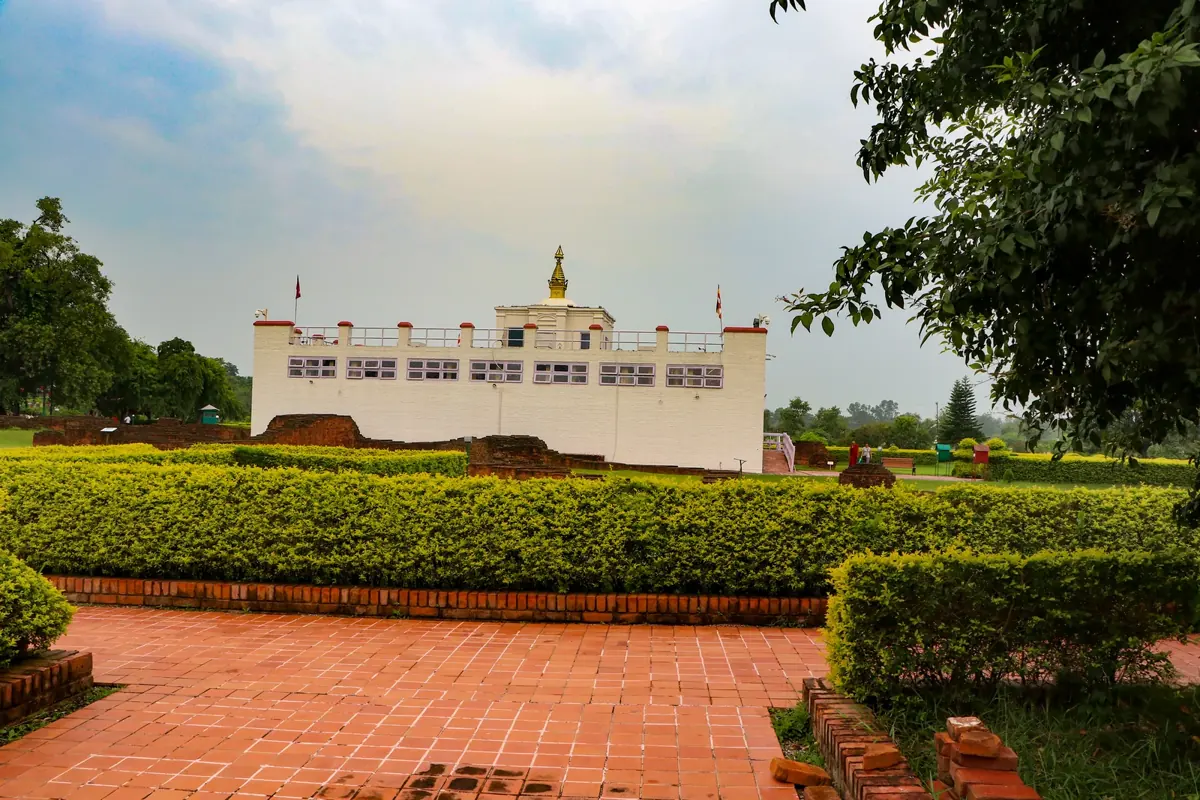
Lumbini belongs in a Nepal plan when the birthplace of the Buddha is central to your journey. Maya Devi Temple, the Ashoka Pillar area, the Sacred Pond and selected monasteries are distinct points of interest. A short stop in the sacred area and a longer exploration of the monastic zones require different amounts of time and walking.
For a road arrival through Sunauli, decide whether Lumbini is the day's main visit or a time-permitting stop before another long transfer. On our faster five-day group route it is subject to road and border timing; the plan does not promise a full monastery circuit that day. A dedicated Buddhist itinerary can give it more space. Share walking needs and the places you want to see before the route is finalised, especially in warmer months.
Official reference: UNESCO: Lumbini World Heritage Site
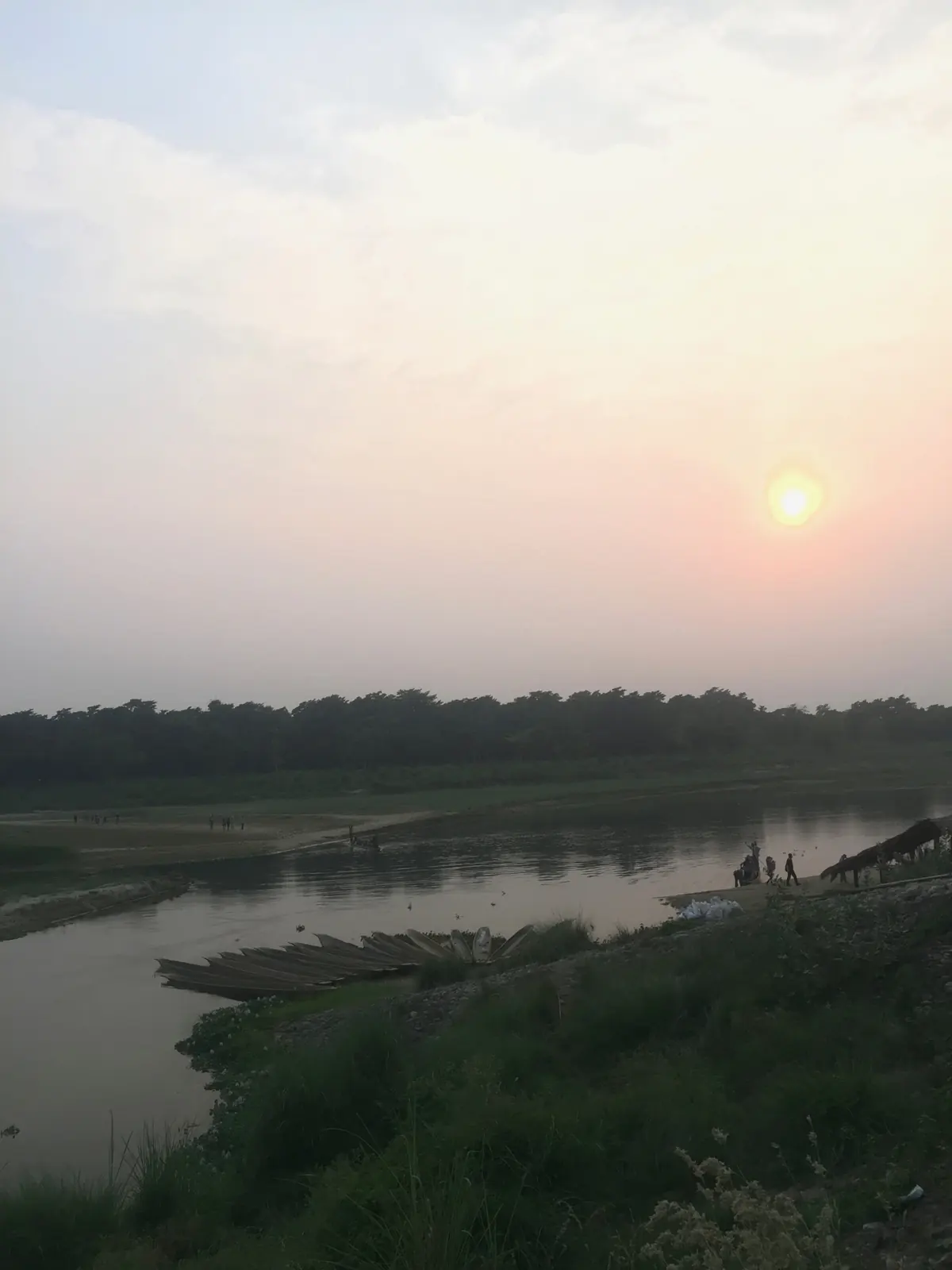
Chitwan adds a lowland landscape and wildlife focus to a Nepal holiday. Sauraha, the Rapti riverside and programmes connected with Chitwan National Park offer a different experience from the city and temple circuit. Wildlife sightings are never guaranteed. An overnight stay alone does not establish that a jeep safari, canoe programme, park entry or guide is included.
Ask for the activity name, duration, departure time, guide, transport and entry charges in writing. An afternoon arrival followed by an early departure leaves less activity time than a full day in the area. If wildlife is a priority, build the night allocation around the actual programme. Follow the park team's instructions and keep a safe distance from animals. For families and older travellers, discuss vehicle access, seating and the suitability of the proposed activity before committing.
Official reference: Nepal Tourism Board: Chitwan
Manakamana can be discussed as a stop on the Pokhara–Kathmandu road journey, with cable-car access, queues and operating conditions considered separately. Our October group excludes the cable-car charge. Janakpur is a different pilgrimage extension, centred on Janaki Mandir and Mithila's temples, ponds and art. It should have its own travel allocation rather than appear as an effortless addition to a western Nepal circuit.
Muktinath is a dedicated mountain journey with different transport, weather and pacing needs from a standard Kathmandu–Pokhara holiday. Decide whether it is the purpose of your trip before selecting a package. Avoid adding it at the last moment to a five-day city tour. Tell the desk about the people travelling and any practical limitations so the proposed days, vehicle changes, hotel stops and backup arrangements can be discussed for that specific route.
Official reference: Nepal Tourism Board: Janakpur
A second Nepal visit need not repeat the same city circuit. Ghandruk can suit travellers interested in village streets and the Annapurna setting. Bandipur offers another hill-town option; Nagarkot can be considered around a Kathmandu Valley stay. Sarangkot, Pumdikot and Begnas are possibilities around Pokhara, depending on the route, access and time available.
Give an extension a clear purpose: an overnight village experience, a short walk, a viewpoint or a quieter hotel location. Those choices change luggage handling, vehicle access and your return connection. A viewpoint does not guarantee a mountain panorama, and a village stay does not imply that everyone must trek. Ask for the walking involved and the last vehicle access point. Keeping one meaningful extension often produces a better holiday than collecting several brief detours.
Official reference: Nepal Tourism Board: destinations
Spring and autumn are popular periods for Nepal's hill and mountain journeys. The Nepal Tourism Board notes clearer post-monsoon skies in October and November, while spring brings flowering hillsides. Winter can still suit city visits, with cooler mornings and evenings. The southern plains and the higher mountain routes have very different conditions, so one temperature description cannot represent the whole country.
Monsoon travel needs more flexibility for rain, visibility and road disruption. Choose the month with your actual route in mind: a city holiday, Chitwan visit and mountain pilgrimage need different preparation. Keep a weather buffer around critical transport connections. Before a booked road departure, check current conditions close to travel, rather than relying only on a seasonal label. Ask about hotel heating or cooling where it matters to your party, particularly when moving between the plains and hills.
Official reference: Nepal Tourism Board: climate · Nepal Tourism Board: current travel updates
A Gorakhpur start suits travellers joining a planned road circuit through the Sunauli–Bhairahawa area. Arrange arrival in Gorakhpur around the actual pickup time and include station or airport transfers explicitly. A late train can affect the whole day's border and onward journey, so discuss whether an arrival-night hotel is sensible for your connection.
A Kathmandu arrival starts the holiday in the valley and can suit a shorter city break or a separately arranged Nepal circuit. Compare the complete journey from your home city: fares, baggage, arrival time, extra hotel nights, airport transfers and the onward route. A cheaper flight at an awkward hour is not always the cheaper holiday. International transport and travel to Gorakhpur are included only when your written quote says so. Confirm the joining point before buying non-refundable tickets.
A map distance is not a sightseeing timetable. Border procedures, roadworks, bends, traffic, stops and weather affect a transfer. Treat an intercity road day as a travel commitment first. Avoid scheduling distant sunrise visits on the same morning as a long arrival journey, and do not promise the same attraction again the following day to make the itinerary look fuller.
Your through vehicle may not reach every old-city lane, temple entrance or hill viewpoint. Ask which visits require walking, local parking, a shuttle or another vehicle, and whether those costs are included. Public and tourist buses, private cars and shared group vehicles provide different levels of flexibility. Choose the vehicle for the actual party and luggage. For the return to India, allow a sensible connection buffer instead of depending on an exact road arrival minute.
Official reference: Nepal Tourism Board: getting around Nepal · Nepal Tourism Board: current travel updates
Indian nationals do not need a tourist visa for Nepal, but they still need accepted original travel documents. A valid Indian passport or Election Commission voter identity card is the straightforward reference in the Indian Embassy's travel guidance. Aadhaar is not accepted as a Nepal travel document. Check the current requirements for children, older travellers, your airline and the chosen entry route before booking.
Visitors of other nationalities need to check Nepal's visa eligibility and their own itinerary with the Department of Immigration. An India–Nepal circuit also requires the correct permission to enter or re-enter India; holding a Nepal visa does not establish that. Send the desk your nationality and entry/exit plan so the route can be discussed, but rely on the relevant immigration authority and carrier for the final document rules. Keep originals accessible during transfers and carry separate copies for practical use.
Official reference: Embassy of India, Kathmandu: travel documents · Nepal Tourism Board: tourist visas and Indian visitors
Choose accommodation by the room you will use and the location you need. A hotel category alone does not answer whether there is a lift, easy parking access, hot water at your preferred time, heating, air-conditioning or a restaurant suitable for your meal needs. Ask for the hotel names or agreed selection basis and the actual room category before confirmation.
Private package pages include accommodation photographs from our supplied hotel collection to help discuss room and property choices. The booked hotel and room are identified in the accepted quotation. Our fixed group departures use standard 2-star hotels and do not display the premium accommodation references. For families, list the rooms required and each child's age. For three or four adults sharing, confirm whether the extra sleeping places are beds or mattresses and whether the room size suits your party.
Nepali food includes dal bhat with vegetables and pickles, momo and regional Newar and Thakali traditions. A holiday can include familiar meals as well as local dishes. Tell us about vegetarian, Jain-style, allergy or other dietary requirements while planning; confirm what the actual hotel or restaurant can provide rather than assuming every stop offers the same menu.
Read a meal plan by count and service day. Breakfast and dinner do not automatically include lunches, drinks, snacks, arrival-day breakfast or a late meal after the hotel kitchen closes. On a long road day, ask about the planned meal stop and payment basis. Carry drinking water for the transfer and keep any essential food arrangements practical. For a private trip, choosing a hotel near suitable restaurants may matter more than adding an elaborate meal package.
Official reference: Nepal Tourism Board: culture and food
Nepal's religious places are active places of worship. Follow the site's instructions on footwear, dress, photographs and access. Some temple interiors restrict entry; the ability to visit a precinct does not guarantee entry to every shrine. Ask before photographing people or ceremonies and keep pathways clear for worshippers.
Heritage and museum fees can differ by nationality, age and site. Carry the document needed to establish the applicable category and check current charges instead of treating an old online fee as a guaranteed ticket price. A named monument in a tour route is not automatically a paid inclusion. If you want a guided explanation of architecture or history, include the guide and language in the service plan. Give important sites time rather than reducing every visit to a quick photograph.
Official reference: Nepal Tourism Board: culture and food · Nepal Tourism Board: heritage entry fees
For a family, start with child ages, rooming, food and the length of the travel day. For older travellers, discuss steps, walking surfaces, vehicle access, rest breaks and hotel stairs. A shorter route with convenient hotel access may be more comfortable than a longer attraction list. State practical assistance needs before the quote, so they shape the plan rather than becoming an arrival-day problem.
For a couple or honeymoon, decide how much private time you want alongside sightseeing. Two nights at one base can provide a more relaxed evening than changing hotels every day. Choose the setting and room category deliberately; a romantic photograph does not establish a lake view, balcony, decoration or special dinner. Ask for those extras to be specified if wanted. Every party should check arrival and departure times alongside the number of nights to see how much usable holiday time remains.
A sightseeing holiday, a village excursion and a multi-day trek are different bookings. Paragliding, rafting, boating and other activities should identify the operator, operating conditions, transfer, equipment and charges. Check suitability directly with the activity provider, and read the insurance policy for the activity you intend to take. Do not assume that being in Pokhara includes every adventure option.
For a trek, start with route, walking days, support and permit requirements. The Nepal Tourism Board lists specific routes where licensed guides and agency-issued TIMS cards are required; restricted-area and conservation rules can add separate requirements. Confirm the current rules for the exact itinerary and nationality. The Annapurna Base Camp, Mardi Himal and Poon Hill pages provide different route choices. A city package price should not be used as a substitute for a supported trekking quotation.
Official reference: Nepal Tourism Board: route-specific TIMS and guide rules
Nepal uses Nepalese rupees. Keep the currency of every quoted amount clear: INR and NPR are different units. Ask how your hotel, activity provider or travel desk accepts payment and how any conversion is calculated. Carry a practical cash backup for small purchases and places where electronic payment is unavailable; do not base the whole trip on one app, card or ATM.
Before departure, check your bank's overseas use and charges, your phone's roaming plan and the options for local connectivity. Download your hotel details, driver contact, itinerary and important documents for offline access. Share a reliable alternate contact within the party. A working payment app or mobile signal at one city stop does not establish availability throughout a road route. Keep receipts and the written booking confirmation together so balances and included services remain easy to check.
Pack for the actual route rather than a single image of Nepal. Comfortable walking shoes, layers for cooler mornings, weather protection and a small day bag are useful starting points. Keep original documents, regular personal medicines, water, charging equipment and the day's essentials accessible instead of buried in the vehicle luggage. Check baggage limits separately when a flight or smaller local vehicle is involved.
For a road tour, agree luggage quantity with the vehicle choice and avoid filling every seat with bags. Mountain routes and treks need a separate equipment discussion, not just the same city suitcase. Check the forecast close to departure and review the hotel facilities on the colder or warmer stops. Keep a change of essentials and copies of your booking details with you in case a bag is delayed or the travel order changes.
Official reference: Nepal Tourism Board: climate
A festival period can make a Nepal journey memorable, but it also changes the daily rhythm of transport, shops and religious sites. Check the actual festival dates and local arrangements for your year of travel. Allow time around crowded worship areas and do not plan a tight connection on the assumption that every road and service follows an ordinary weekday timetable.
For shopping, compare prices and check what you are buying, particularly for higher-value items. Look for local crafts, textiles or food products that are practical to carry, and keep receipts. Ask permission before photographing artisans or entering private courtyards. Support local businesses and avoid treating a living neighbourhood as a staged attraction. If markets, food walks or craft visits are a priority, make them part of the private itinerary rather than an unspecified promise of free time.
Official reference: Nepal Tourism Board: culture and food · Nepal Tourism Board: current travel updates
Read current travel updates shortly before departure and keep room for changes caused by roads, weather, border processing or site operations. Tell the travel desk promptly if your train or flight changes. Check your insurance for the destinations, transport and activities you actually book, including any mountain or adventure component. Keep the policy assistance details accessible to the party.
The Nepal Tourism Board publishes Tourist Police assistance on 1144 and police assistance on 100. Save the official tourist-police page and your travel desk contact before travelling. For a service problem, raise it during the trip where possible and retain the itinerary, receipts and written communications. A route change should identify the practical alternative, any agreed additional charge and the treatment of unused services. An advertisement alone does not establish those arrangements.
Official reference: Nepal Tourism Board: tourist police · Nepal Tourism Board: current travel updates
Send your date, adult and child counts, starting city, preferred rooms, important visits and onward connections. Review a written itinerary with the exact hotel nights, meal count, transport scope, local access arrangements, ticket inclusions, exclusions and total price. Confirm the business payment details directly with the travel desk, keep the receipt and obtain the booking acknowledgement.
For both published Nepal group departures, the booking token is 30% and non-refundable; guest cancellation is not allowed after confirmation. The balance deadline is stated in the written confirmation. Private tours follow the payment and cancellation terms in their own accepted quotation. Check those terms before paying, including changes, unused services and supplier commitments. A prepared WhatsApp enquiry opens a conversation; it does not by itself reserve a seat, room or vehicle.
Tell us when you want to travel and who is coming. We’ll confirm the route, rooms, transport and price with you.
Call +91 97928 70977This opens a prepared WhatsApp message. You review and send it yourself; no payment is taken here.
Choose your origin for flight, rail, bus and joining advice.
The right comparison includes access days, overnight stops, rooming and the return connection—not just the Nepal package price.
Open guide →Use your Pokhara nights well: understand what each outing adds and avoid turning every viewpoint into an assumed inclusion.
Open guide →Editorial source check: 14 October 2026. Schedules, entry rules and operating conditions must be reconfirmed for your travel date.
Use these sources to check current requirements. For your exact arrival, rooming and route, ask the Gorakhpur travel desk for a written proposal.